

System design
PRAYA - Haptic-Integrated intelligent Assistive Ecosystem for DeafBlind Accessibility (System design)
Written by

Pratham Jain
11 min read
Research Methodology
Design Thinking Framework
This project followed a rigorous human-centered design approach:
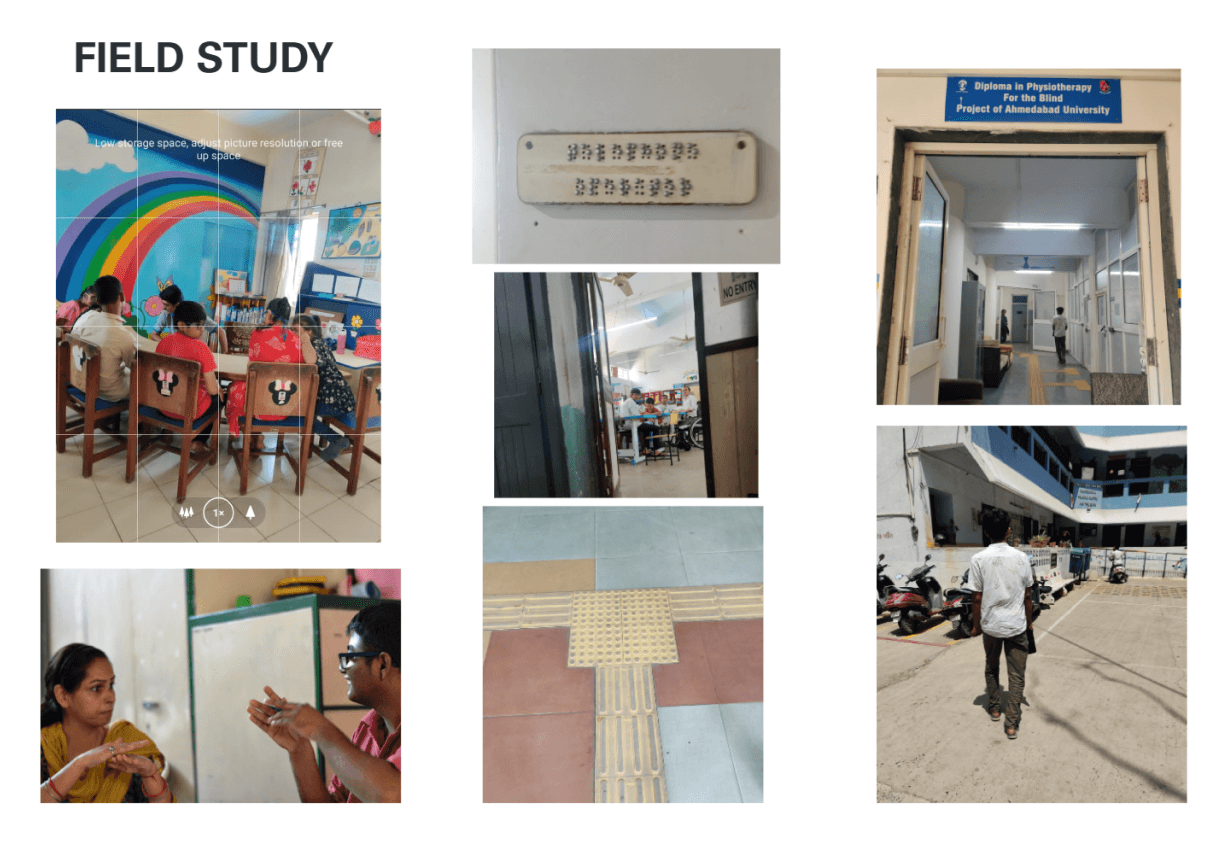
Empathize - 6 months field study at National blind association Ahmedabad
Define - Stakeholder mapping, user journey analysis, problem prioritization
Ideate - System design , technology feasibility studies
Prototype - Built 2 working prototypes for deafblind users
Test - Iterative validation with community feedback
My journey into deafblindness began unexpectedly. While researching solutions for visual impairment at various NGOs in Ahmedabad, I stumbled upon a small classroom tucked away in the corner of the Blind People's Association. Inside were deafblind individuals , people who navigate the world without sight, sound, or speech, relying solely on TOUCH.
I had never encountered the term "deafblind" before that moment. I was immediately struck by the profound isolation this community faces, yet equally moved by their resilience and talent, nurtured by their dedicated teacher, Sangeeta ma'am.
A Shift in Focus
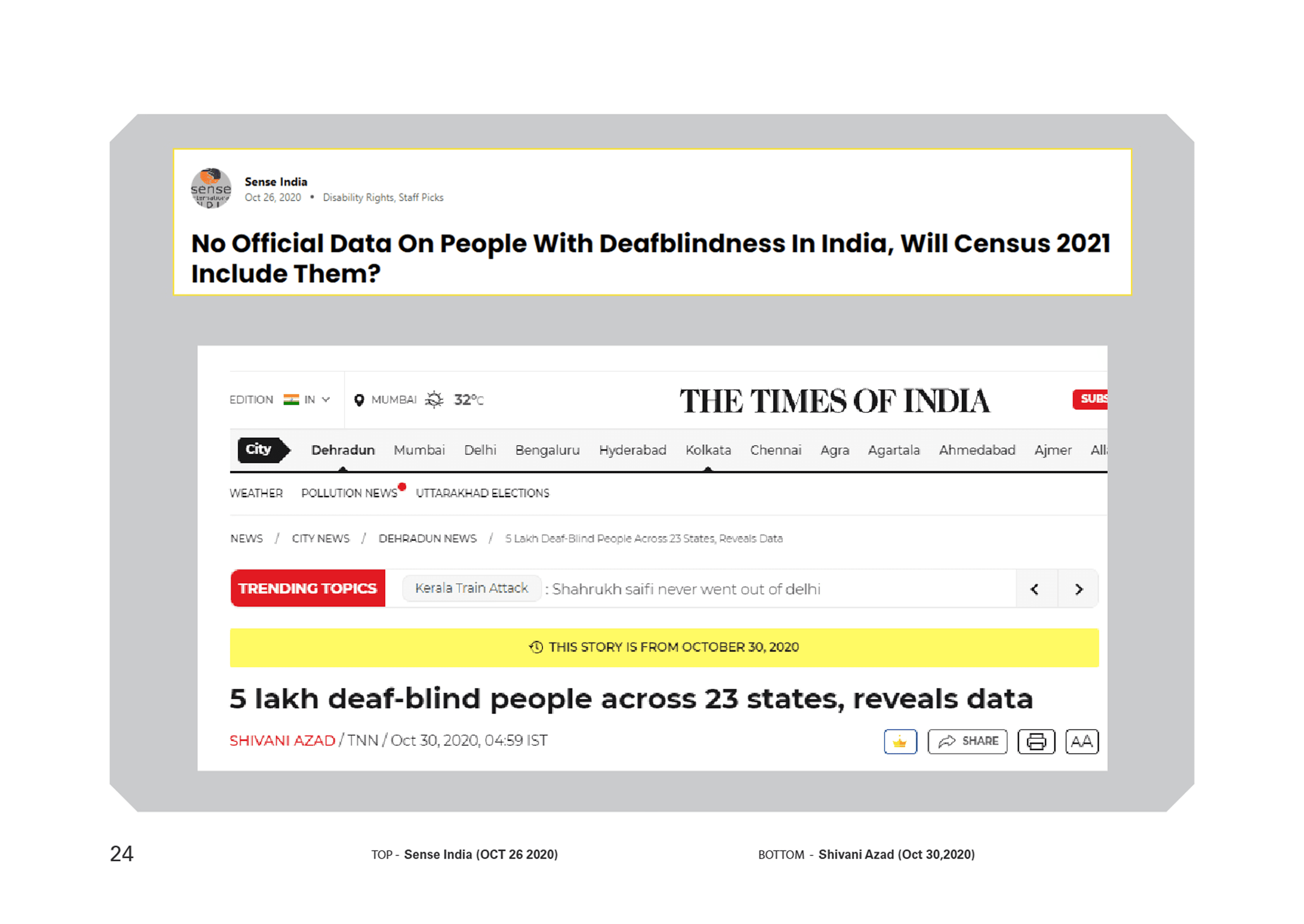
What started as research on AI for blindness became something far more urgent. I spent six months observing, learning, and documenting the challenges faced by the deafblind community. I expected to find two or three key problems. Instead, I identified more than fifteen barriers that prevent these individuals from fully participating in society in just first month.
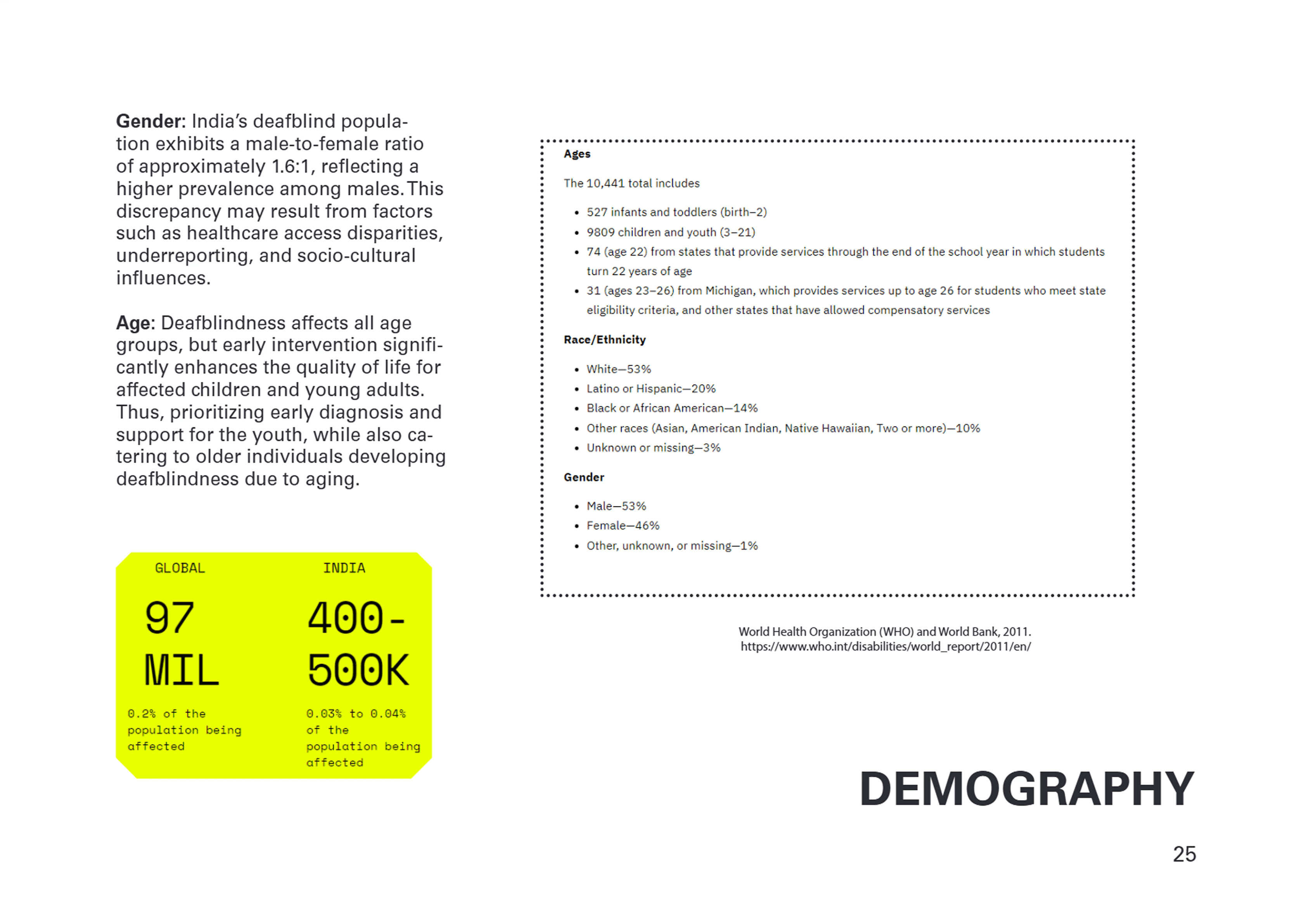
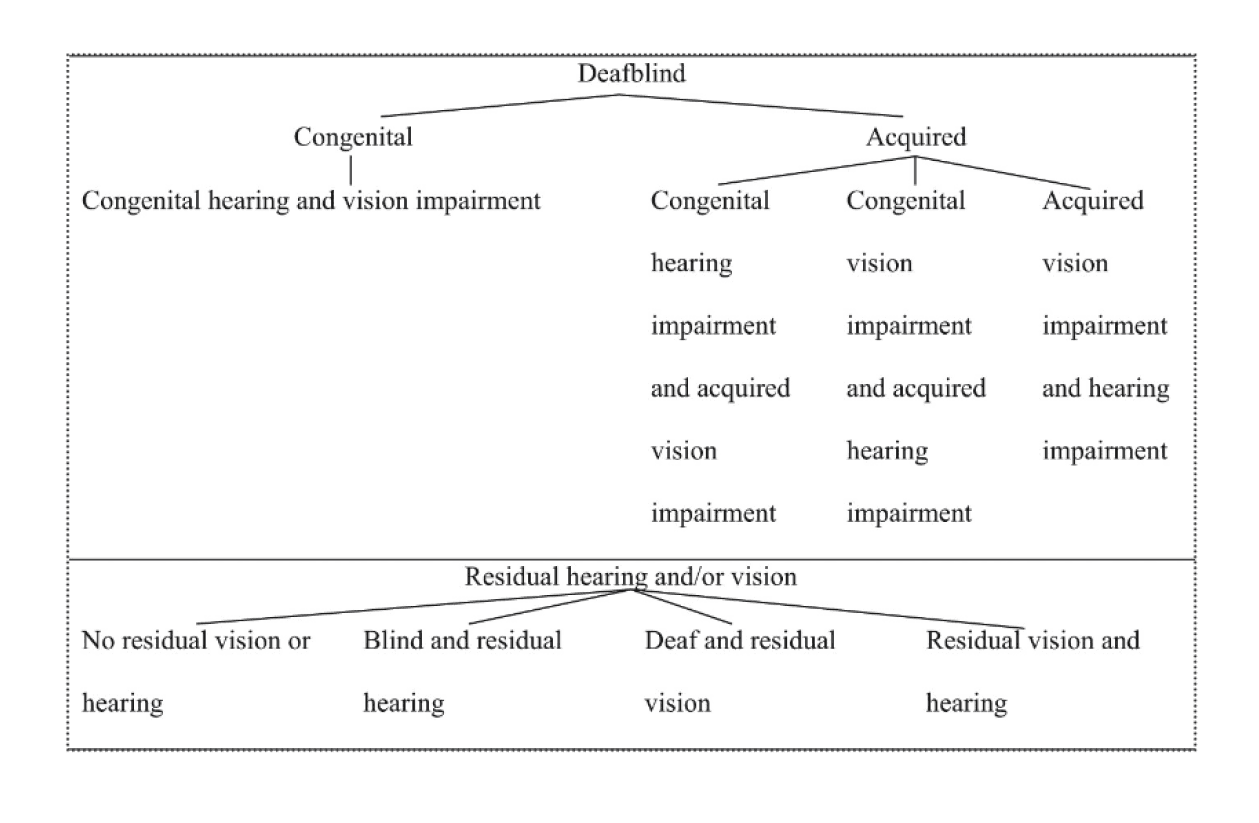
Types of Deafblindness
Understanding the Challenge
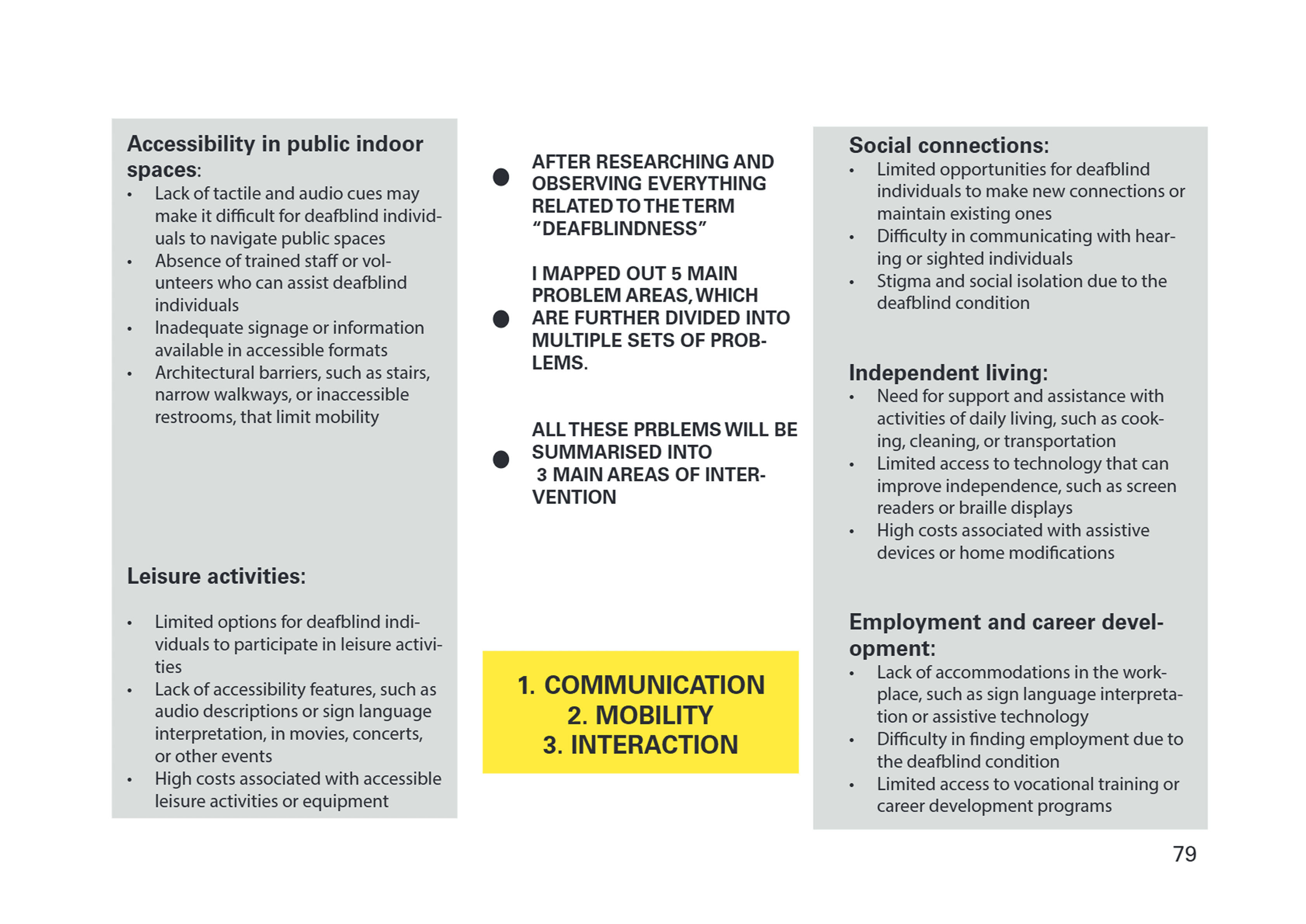
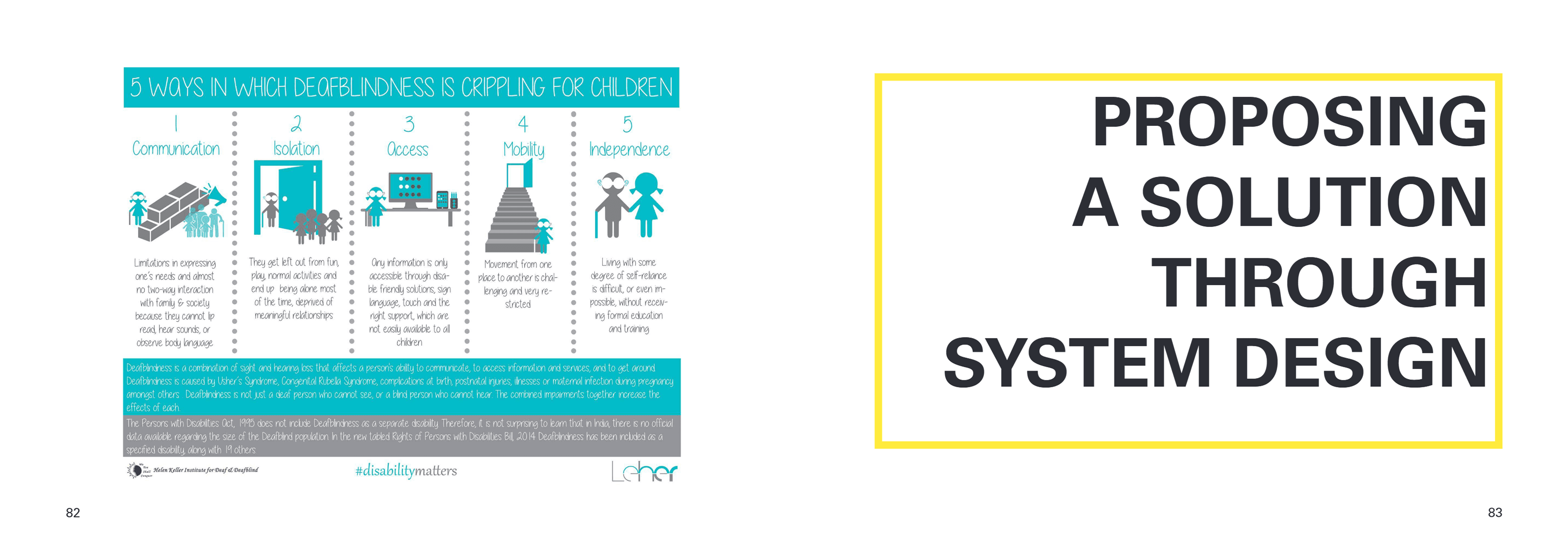
DeafBlind individuals face unique, compounding challenges that go far beyond what either blind or deaf individuals experience alone:
Communication Barriers
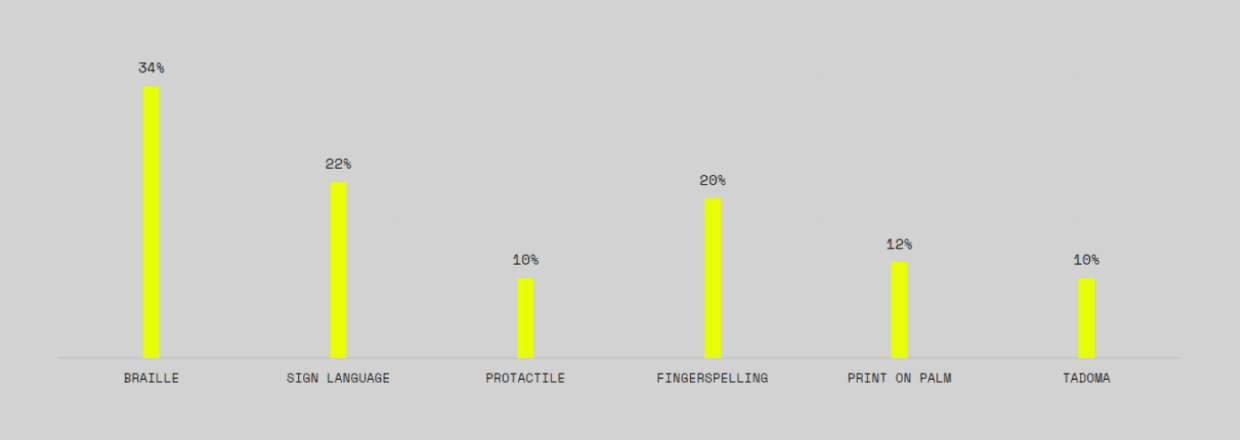
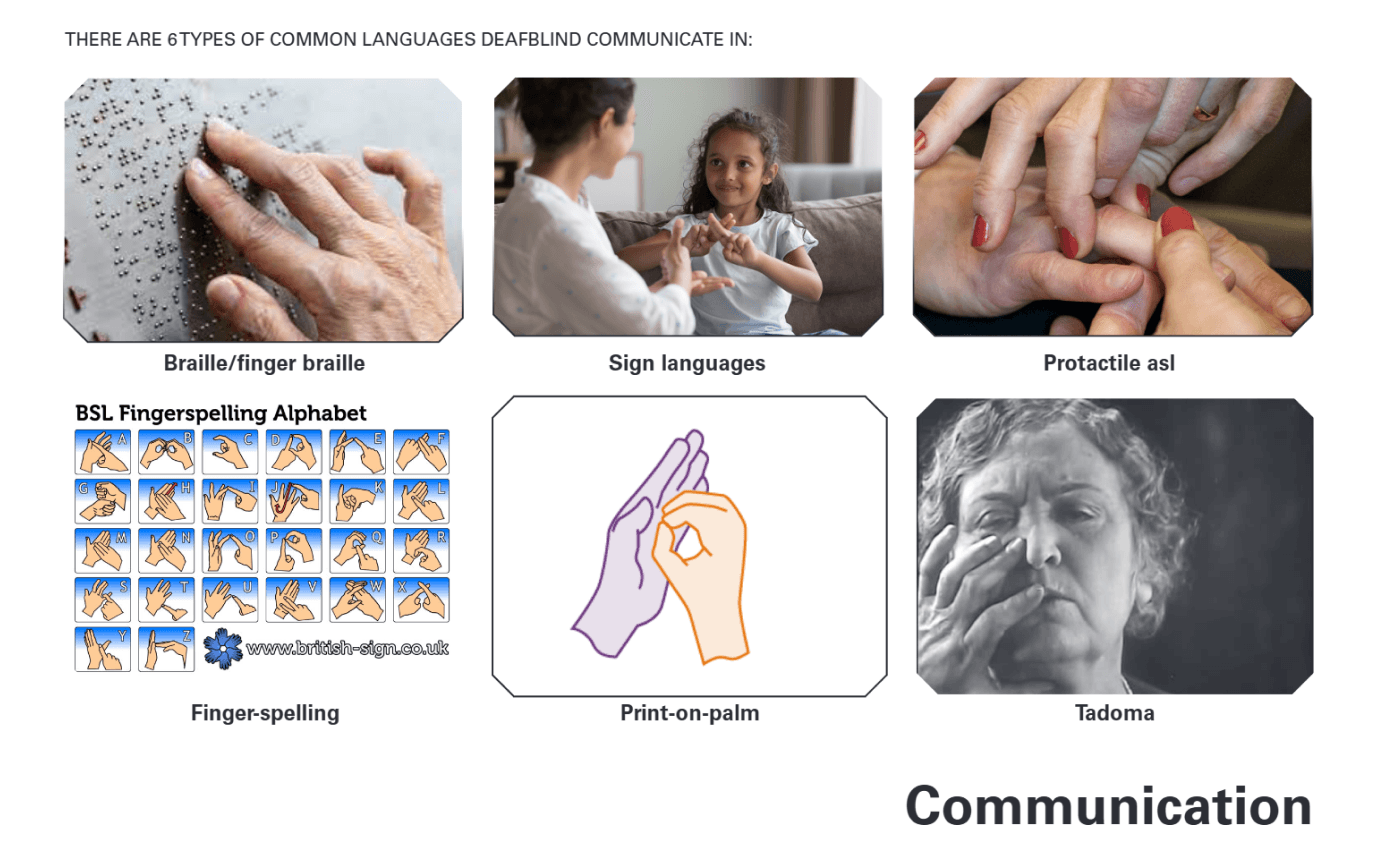
Limited access to tactile communication methods like finger-braille
Inability to use traditional sign language or audio-based systems
Social isolation due to difficulty connecting with others
Impact: 90% reduction in communication opportunities
Mobility Barriers
Lack of real-time environmental feedback
Difficulty navigating unfamiliar spaces independently
Reliance on human guides for most movement
Impact: 75% increase in isolation and dependence
Interaction Barriers
Inability to experience art, music, or visual media
Limited access to education and employment opportunities
Exclusion from leisure activities and social gatherings
Impact: 40% reduction in overall quality of life
These aren't just statistics.
They represent real people : talented, creative individuals whose potential is limited not by their abilities, but by the barriers we've built into our world.
System Design Approach
Field study in Deafblind classroom National blind association of India (Ahmedabad)
Identifying system opportunities in a project involves analyzing the current system, identifying its strengths and weaknesses, and finding areas where improvements can be made.
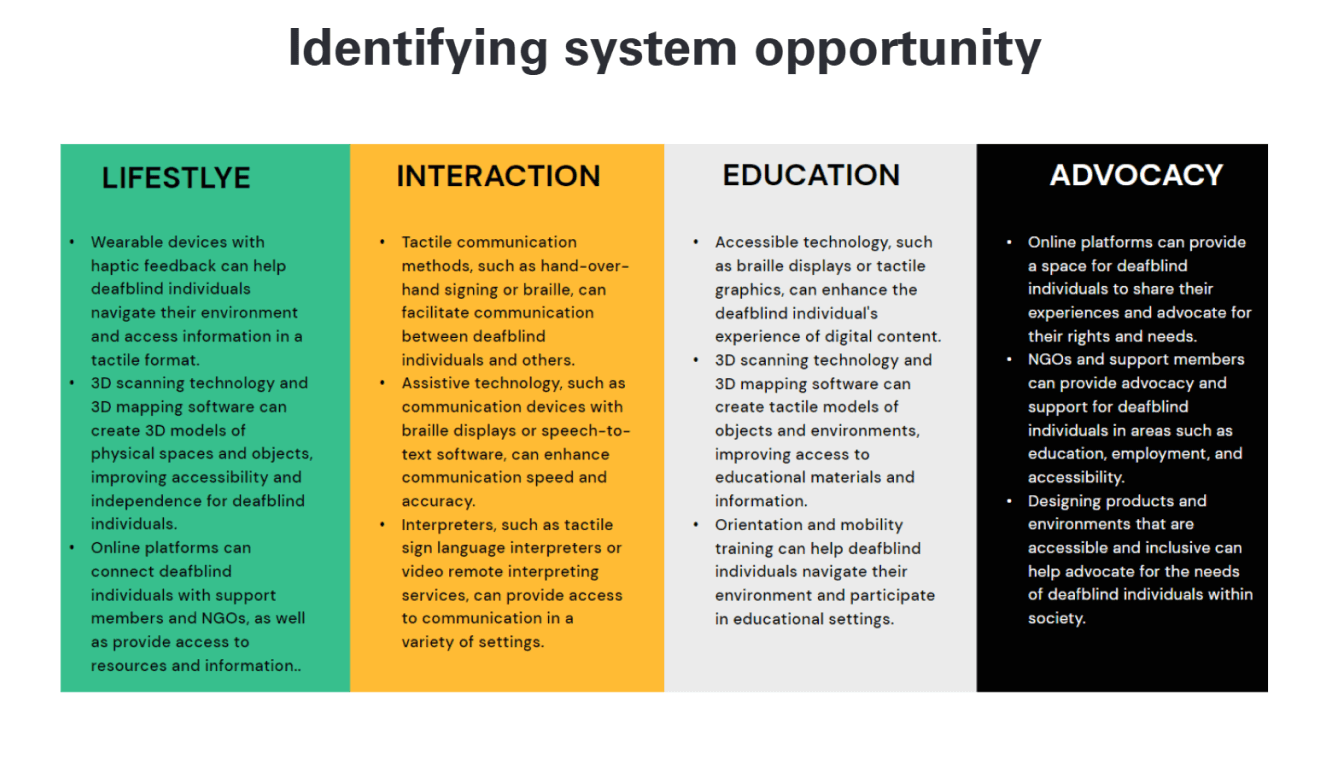
Area Bifurcation Analysis
Through systematic analysis, I identified four primary intervention areas:
Communication
Mobility
Interaction
Social Integration
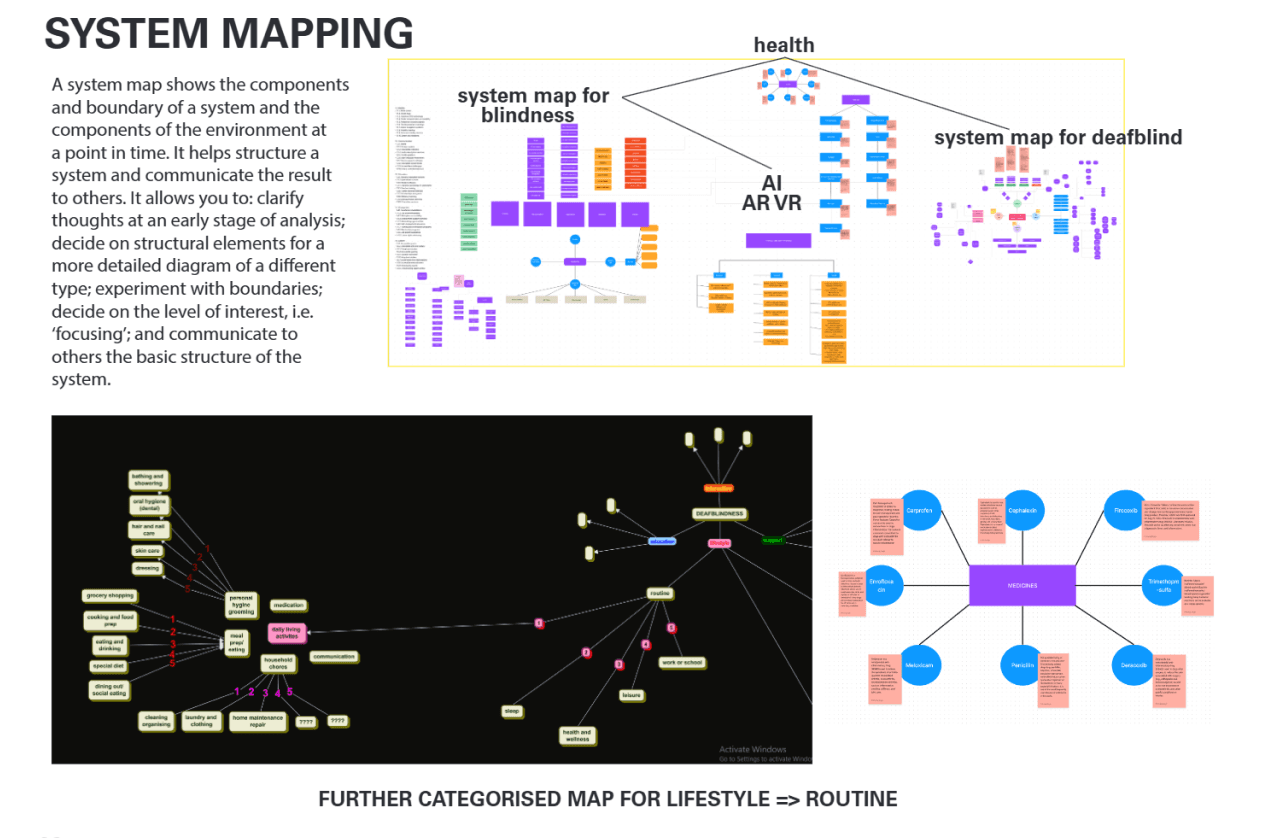
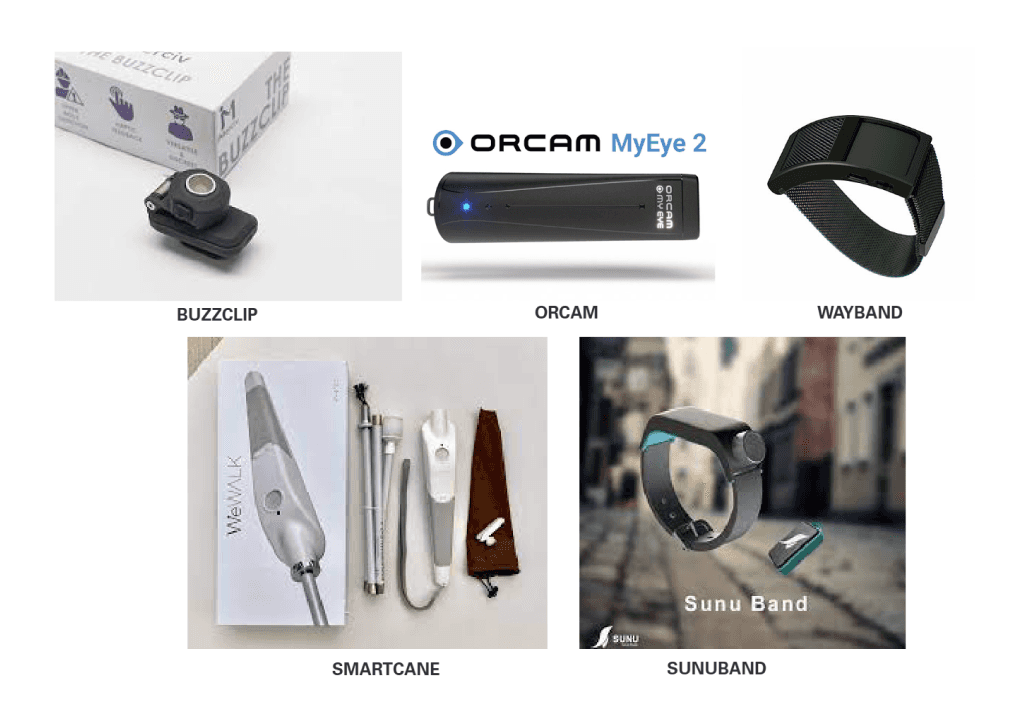
Market analysis
Stakeholder Mapping
Primary Users - Deafblind individuals (ages 10-60+)
Support Network - Teachers, family members, interpreters, caregivers
Institutions - NGOs, schools, rehabilitation centers
Technology Partners - AI researchers, hardware manufacturers, accessibility organizations
Policy Makers - Government agencies, disability rights advocates

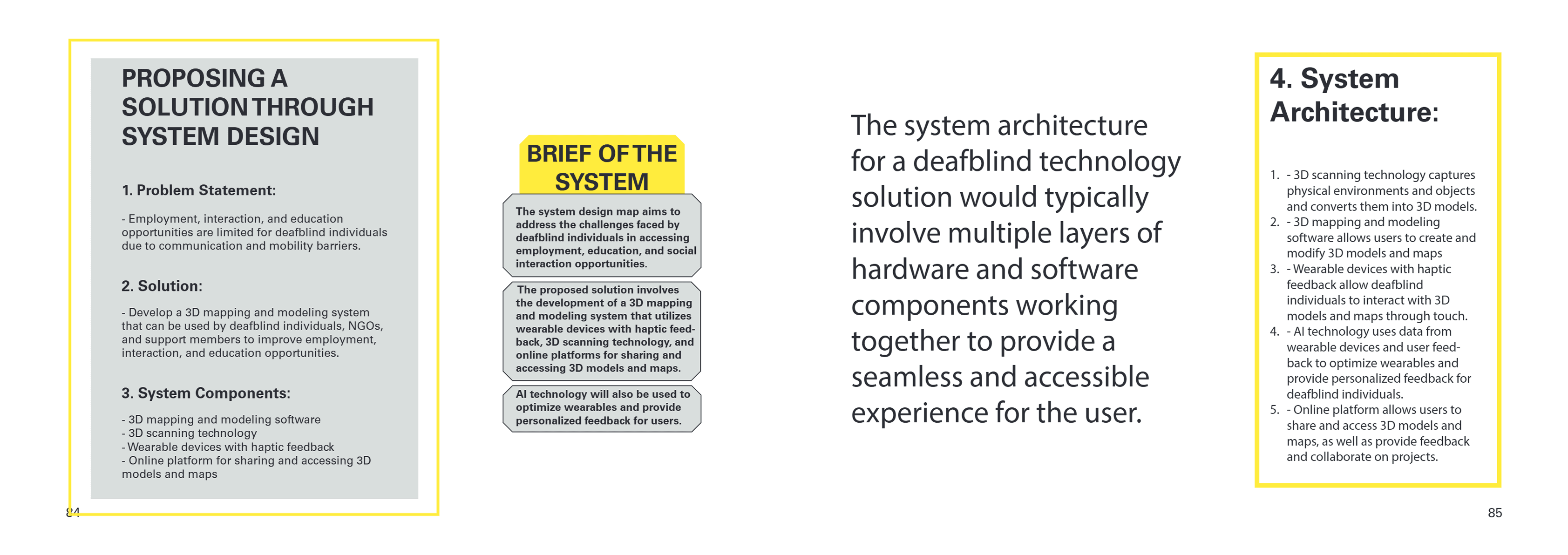
My thesis proposed a comprehensive system leveraging AI, augmented reality (AR), and virtual reality (VR) technologies to break down these barriers.
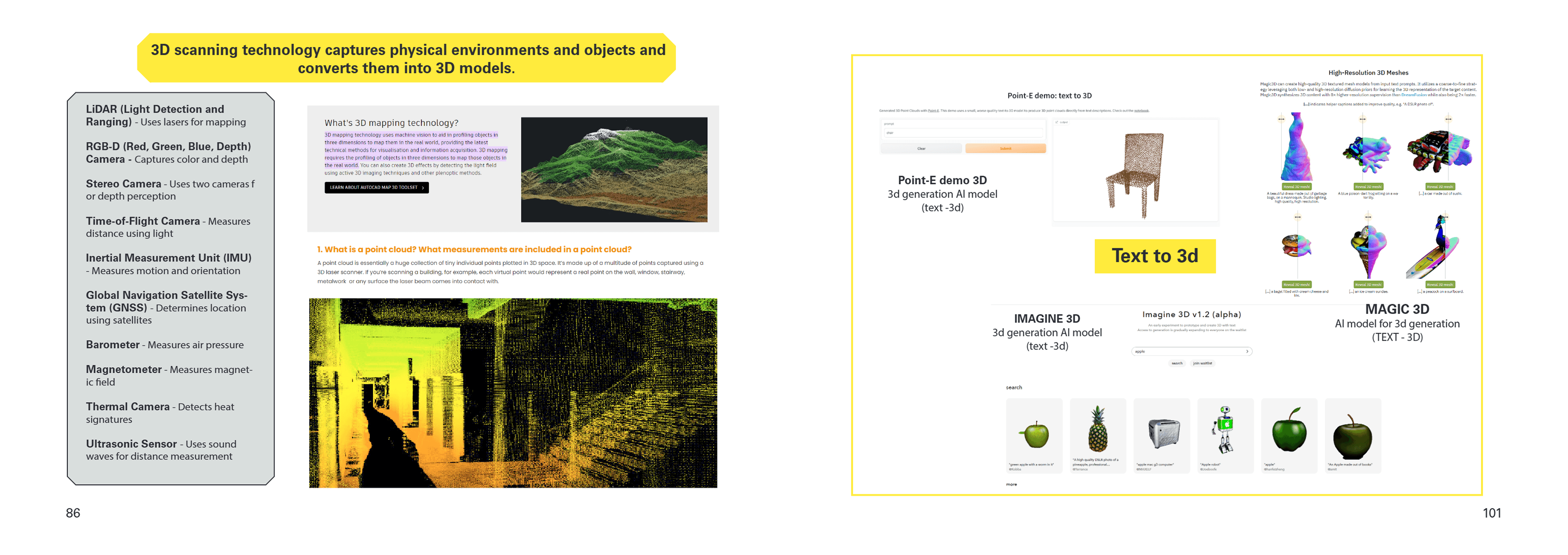

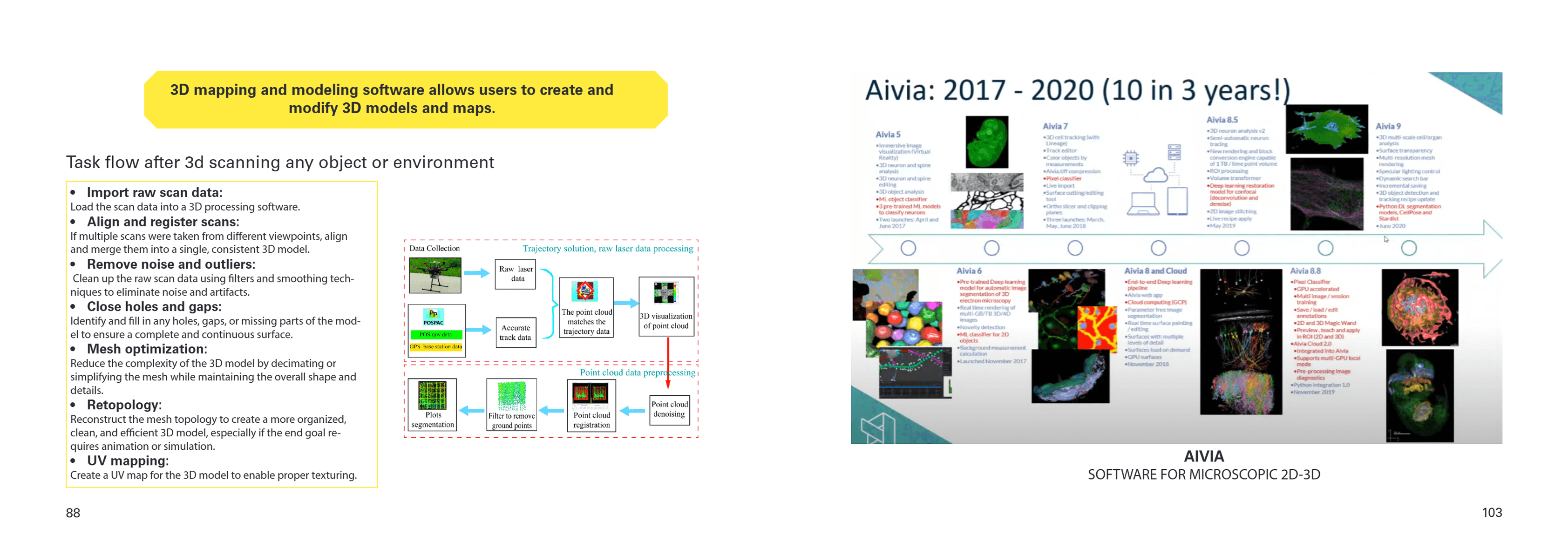
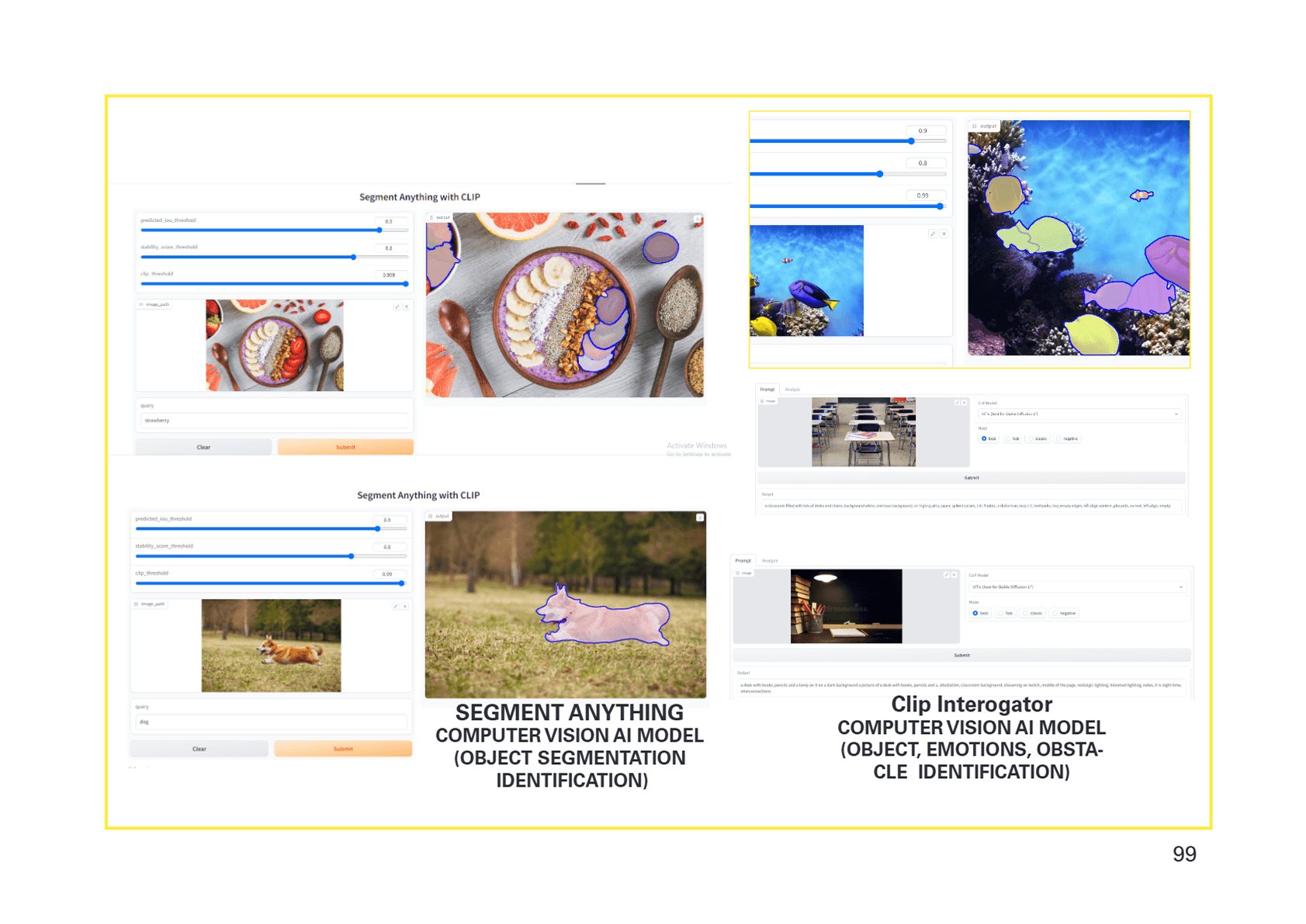
The system consists of three interconnected wearable devices:
The Vision: A Three-Product Ecosystem (2025 updated)
Product 1: The Pendant
Camera + LiDAR Attachment (The eyes and mouth)
The Central Processing Hub & Communication Interface
Role in System: The Brain - All processing, 3d and 4d scanning , and communication happens here
The REAL Problem It Solves:
DeafBlind individuals have zero ability to:
Understand their environment beyond arm's reach
Communicate with others without physical touch
Alert others when they need help
Let people know their emotional state
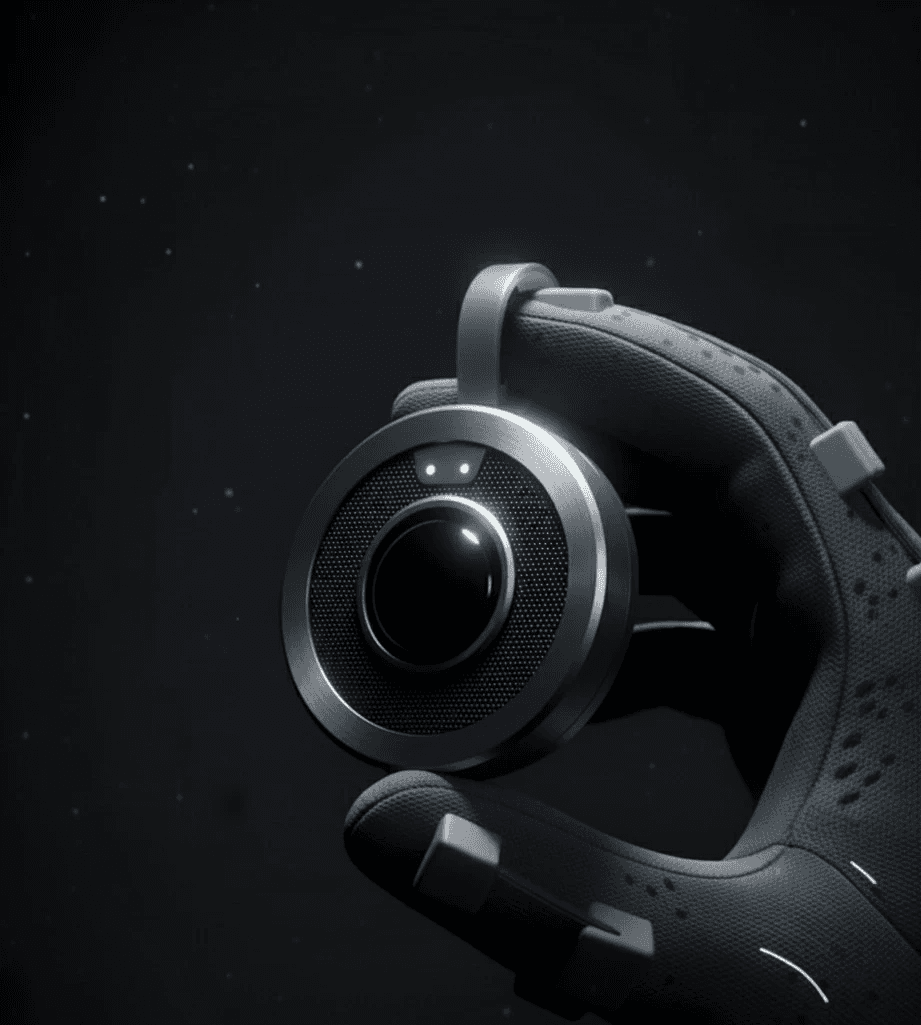
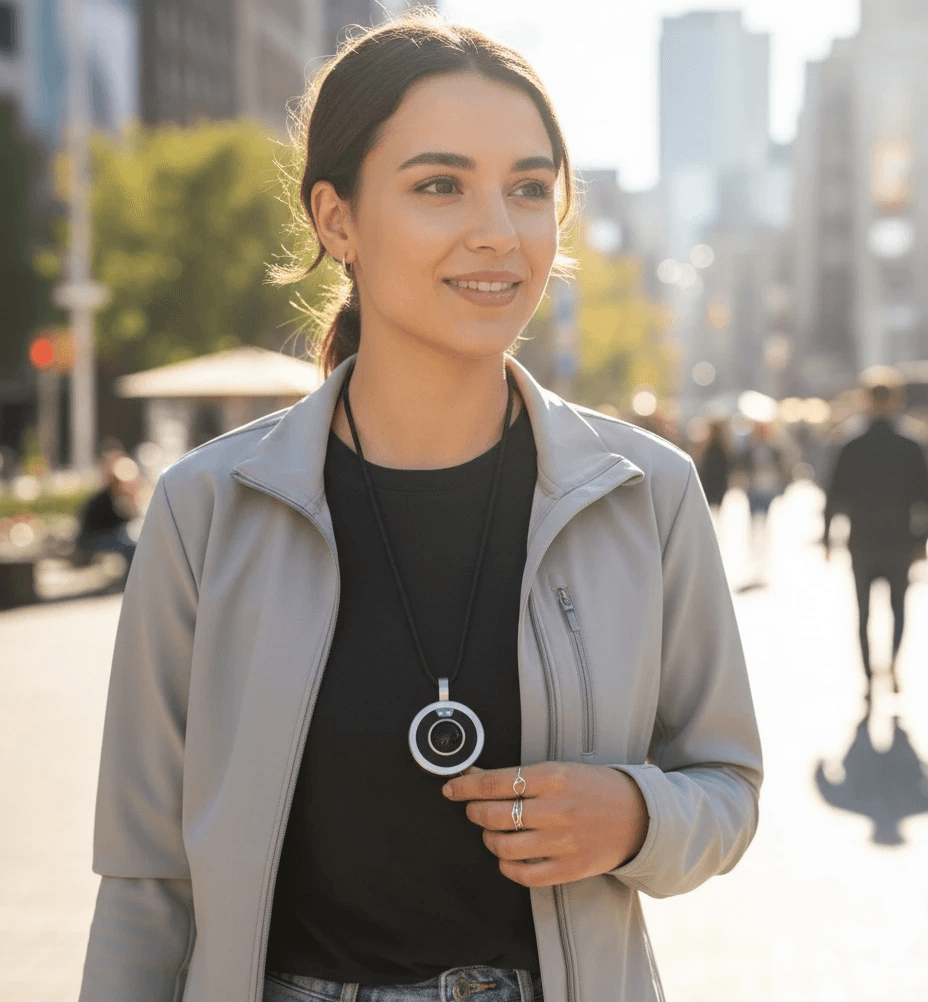
The Pendant:
A wearable pendant/attachment that acts as the central nervous system of the entire ecosystem.
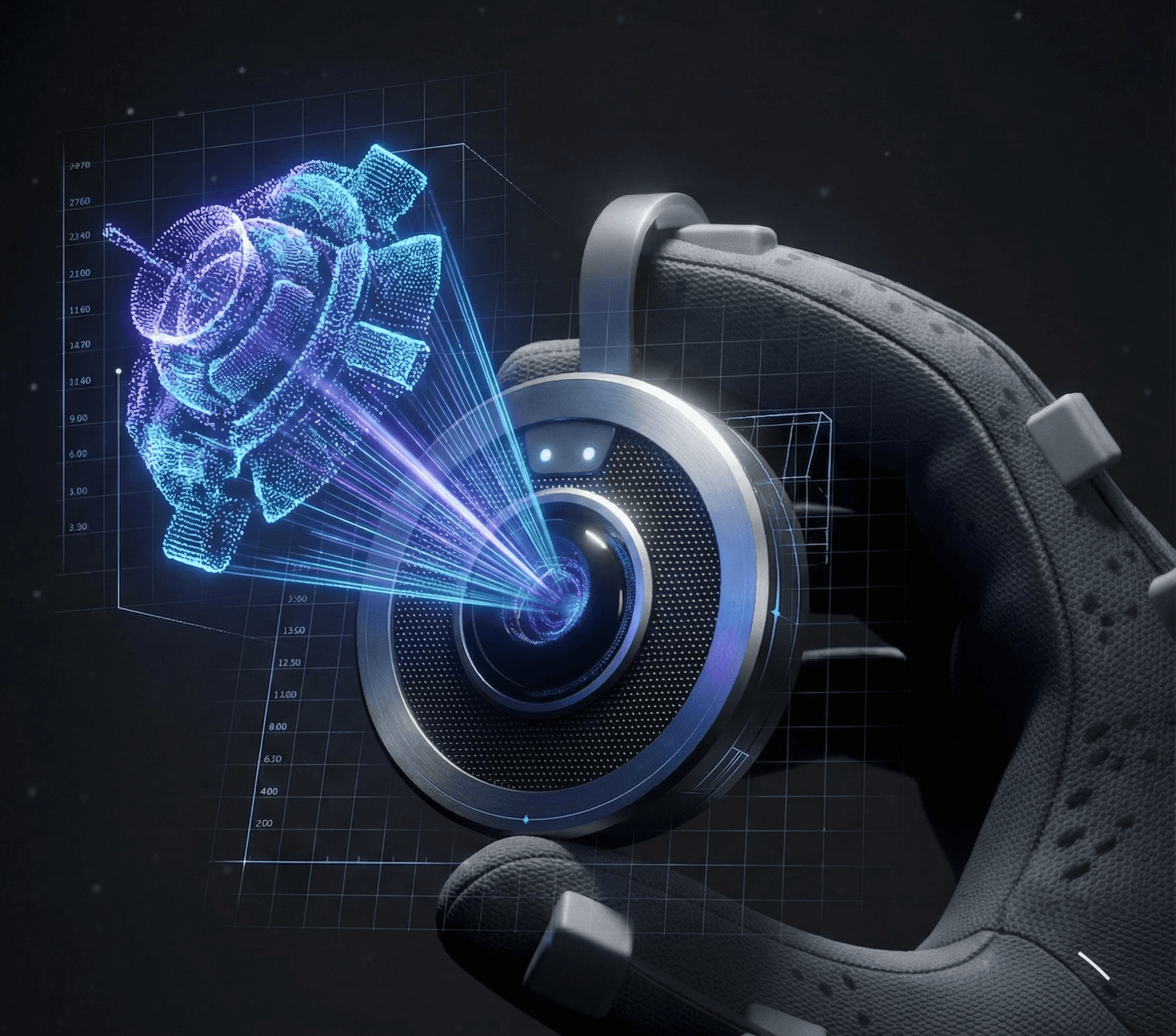
It captures the environment in 3d, processes everything through AI, and distributes information to the output devices.
Product design variation 1 | Product design variation 3 |
|---|---|
 |  |
Hardware Components:
Environmental Sensors:
RGB-D Camera - Captures color and depth data
LiDAR Sensor - Creates precise 3D spatial maps (10-20m range)
IMU (Inertial Measurement Unit) - Tracks motion, orientation, acceleration
Temperature Sensors - Detects heat sources (people, objects, beverages)
Proximity Sensors - Close-range obstacle detection
Communication Interface:
Microphone - Captures speech from others for translation
Speaker - Outputs user's voice (text-to-speech from AI)
LED Status Indicators - Visual communication for others
What This Enables:Understands context: "wet floor," "person rushing," "door opening," not just "object"
Predicts movement: "person walking toward you," "car approaching"
Emotion detection from faces and body language
Text recognition: reads signs, labels, documents in real-time
Real time communication with multiple people without the need of touch.
Product 2: Force Feedback Gloves (The Navigator)
The Real Problem It Solves: The Spatial Darkness Gap
Role in System: The Navigator - Translates space and object geometry into touch.
White canes and guide dogs offer awareness only at immediate touch distance (0-3 feet).
DeafBlind individuals lack awareness of their environment at medium , far ranges like 5, 10, 20 ft OR THE WHOLE WORLD. They navigate in complete spatial darkness until physical contact which is often too late to react safely.
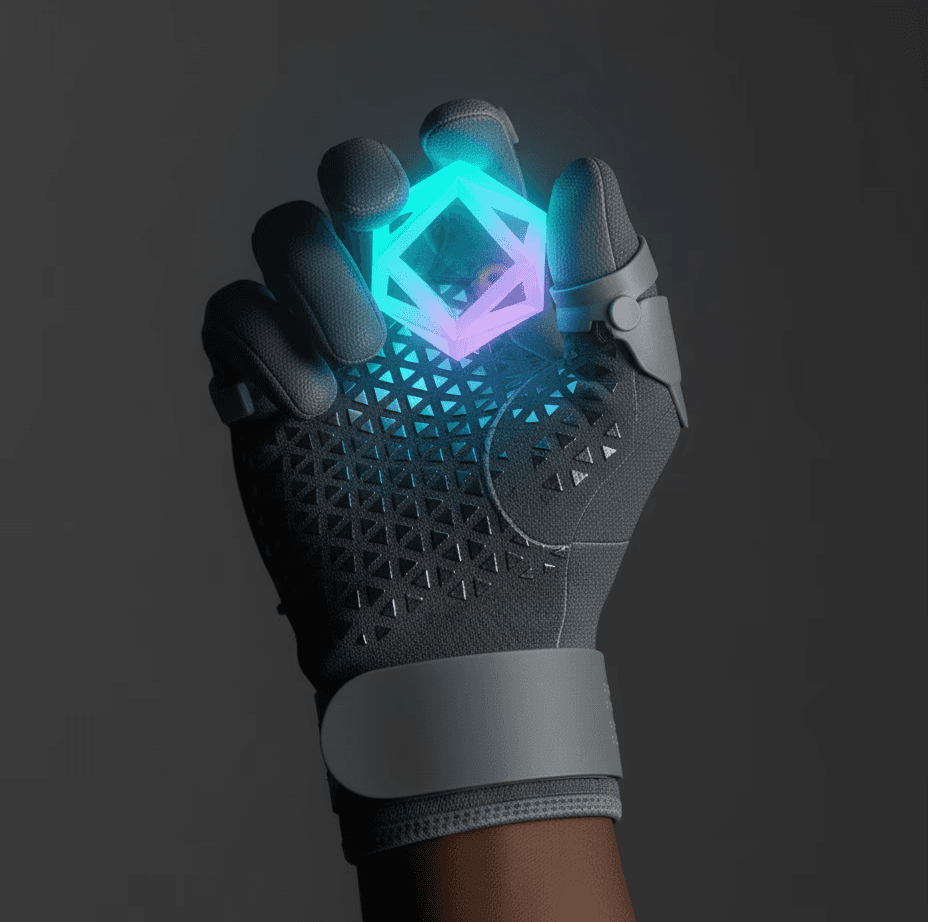
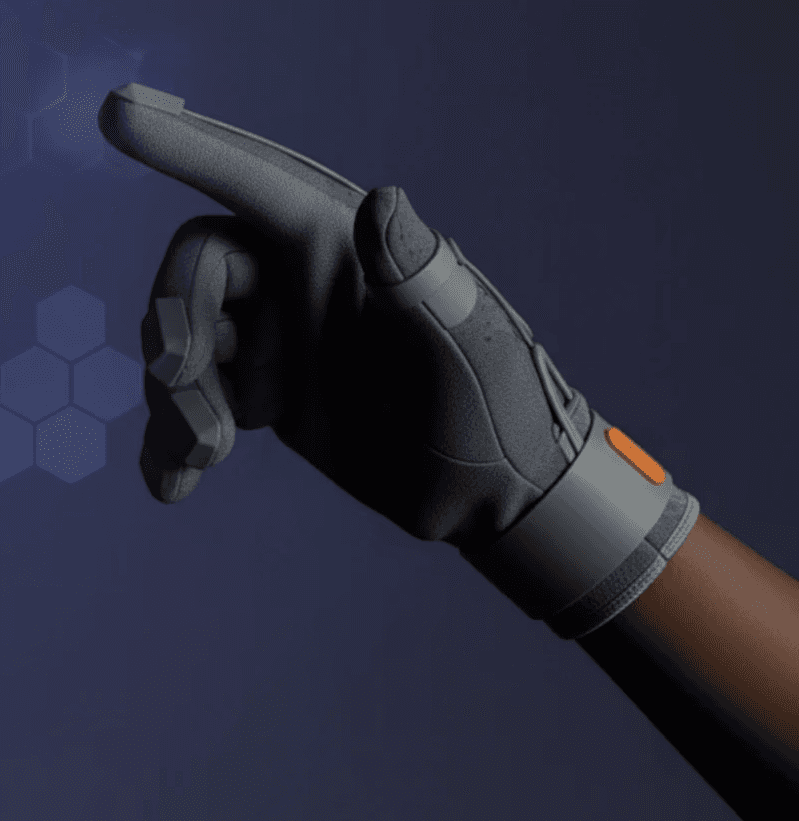
Design Variation 1 | Design Variation 2 |
|---|---|
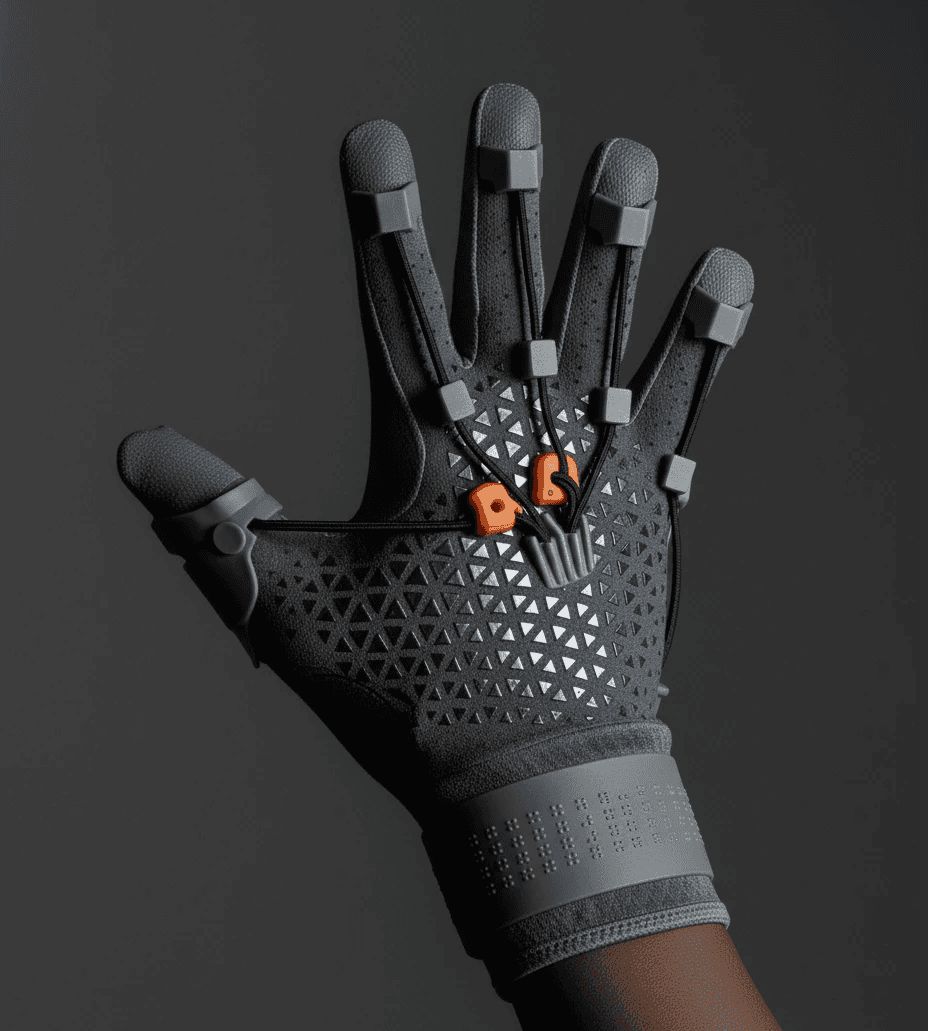 | 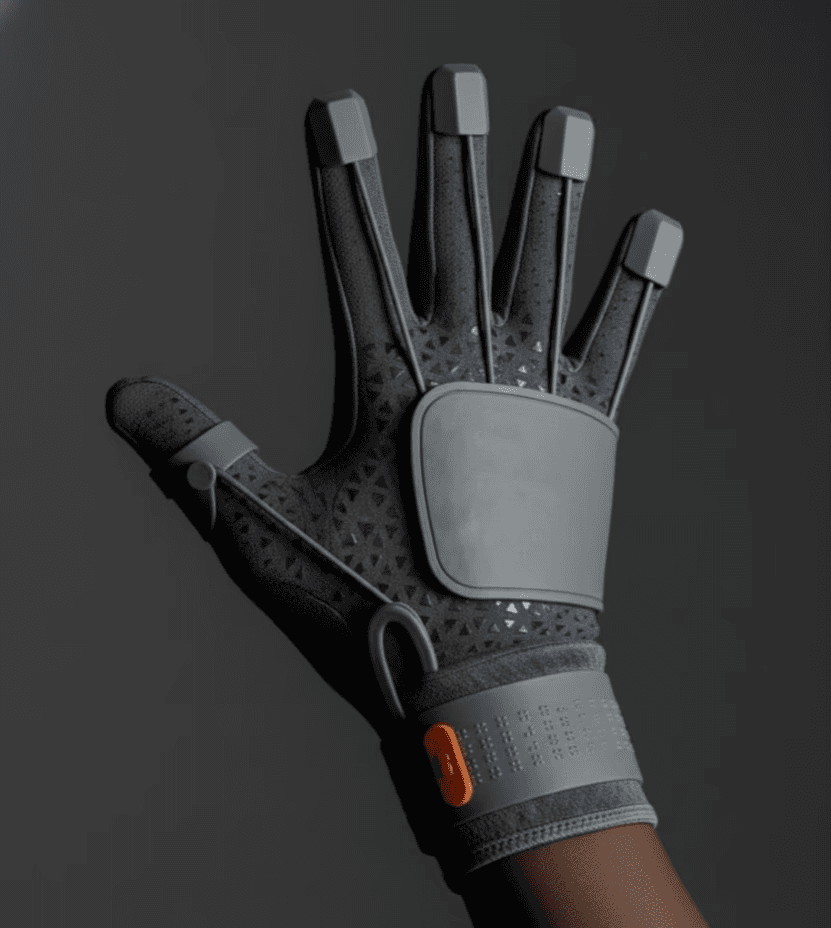 |
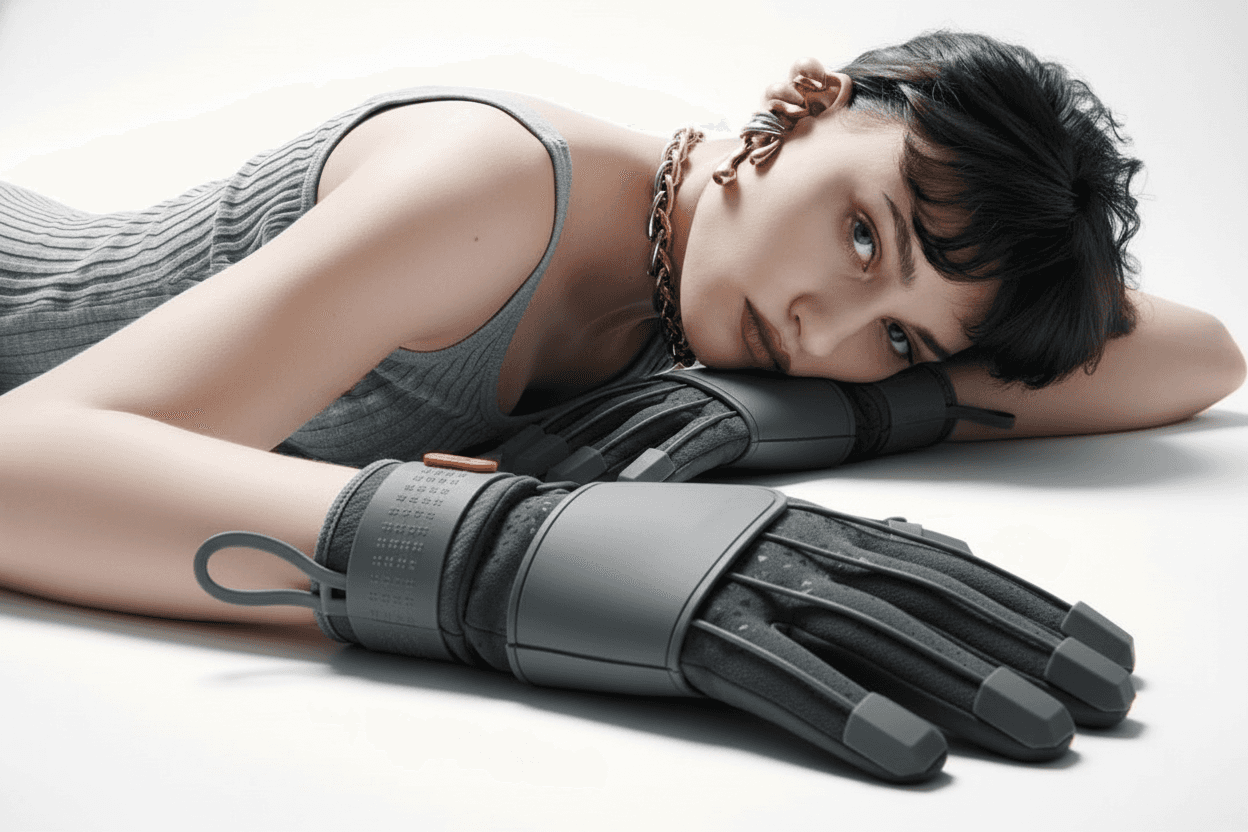
Tactile Gloves
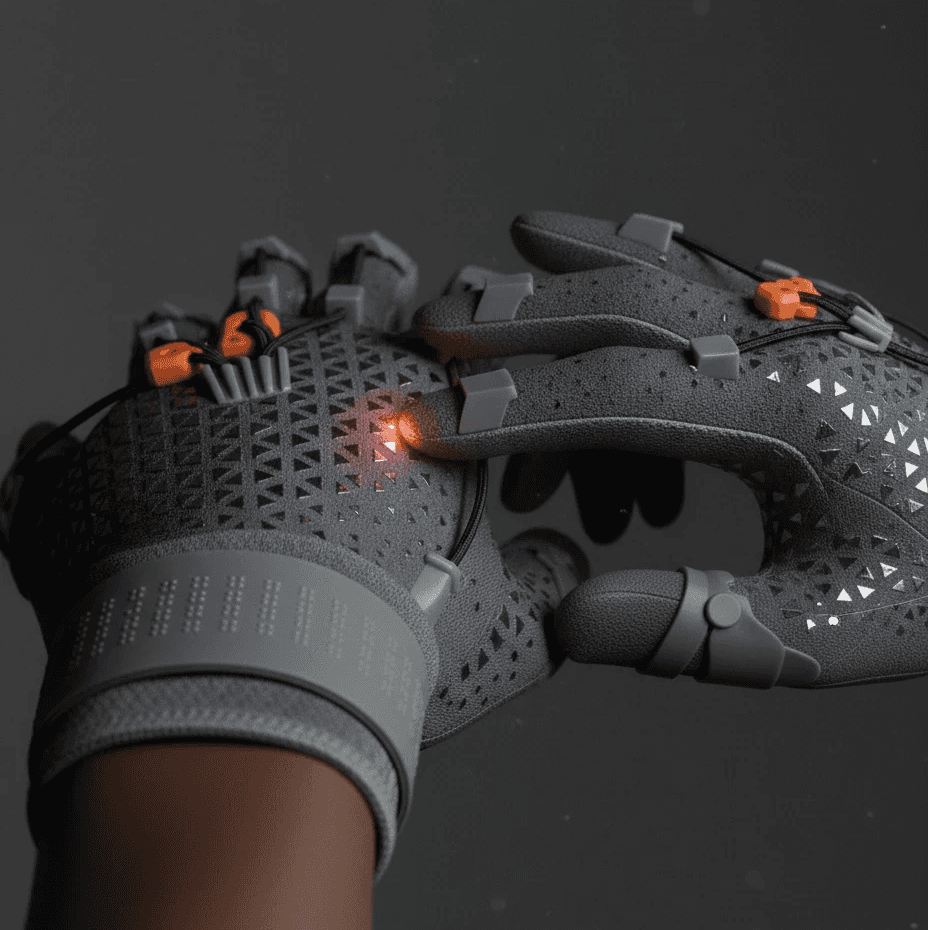
These gloves provide real-time, comprehensive haptic and force feedback, extending spatial awareness in all directions.
It functions as an invisible sensory shield, offering two critical layers of information:
Distance-based Haptic Resistance: Awareness of proximity to objects.
Object Contouring Force Feedback: Awareness of the object's basic shape.
  |   |
|---|
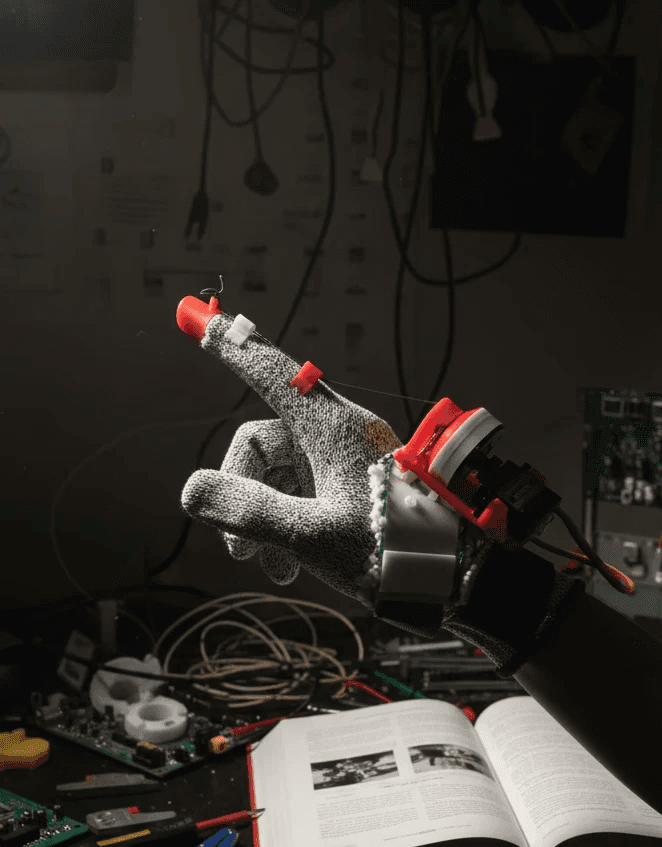
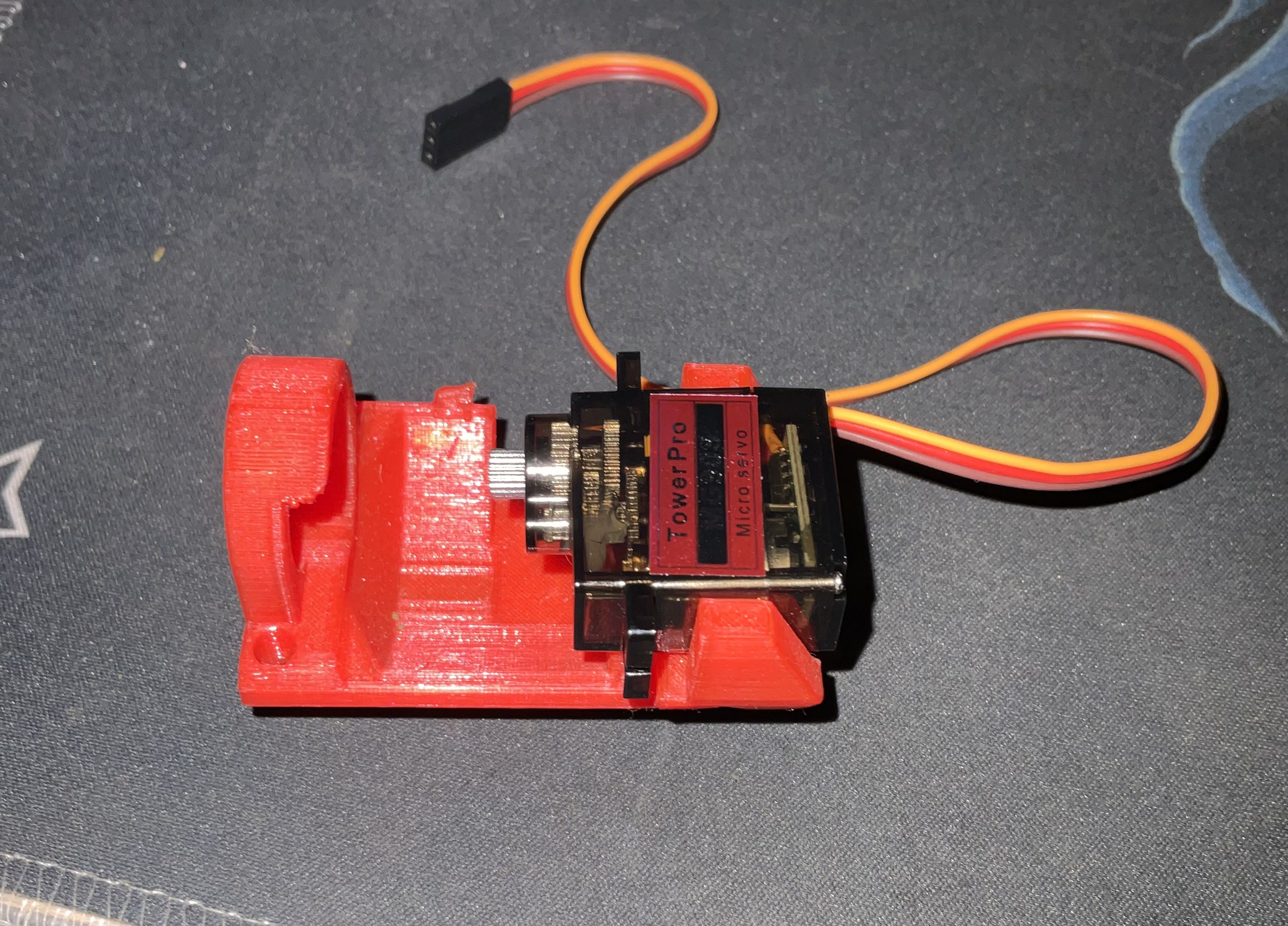
Hardware Components:
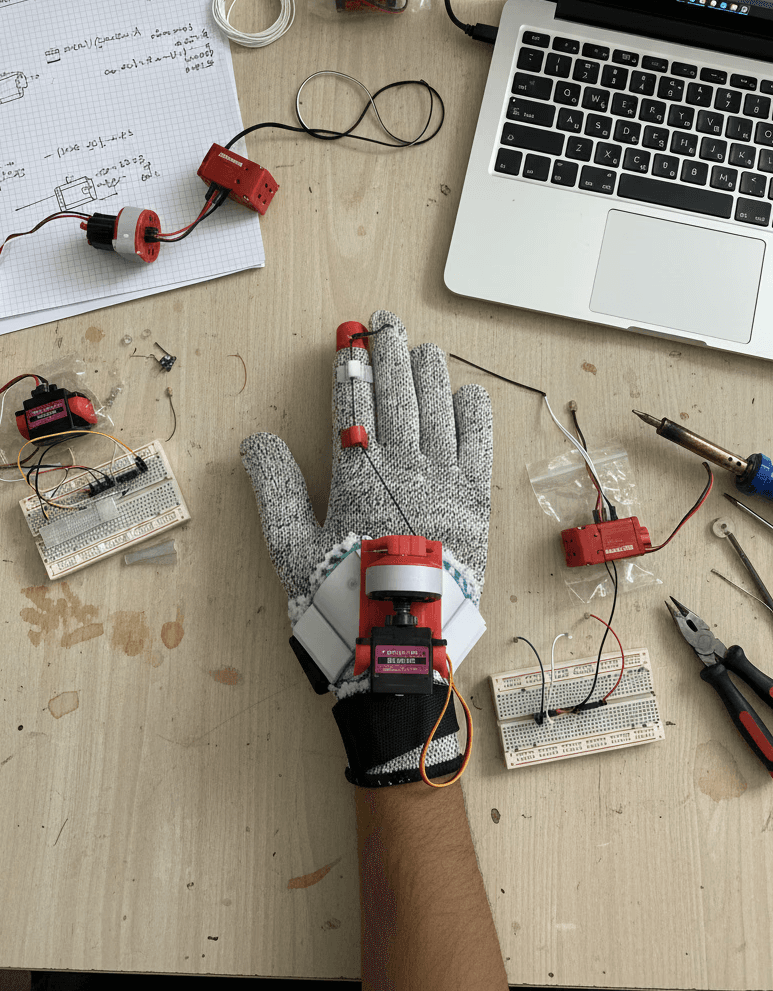
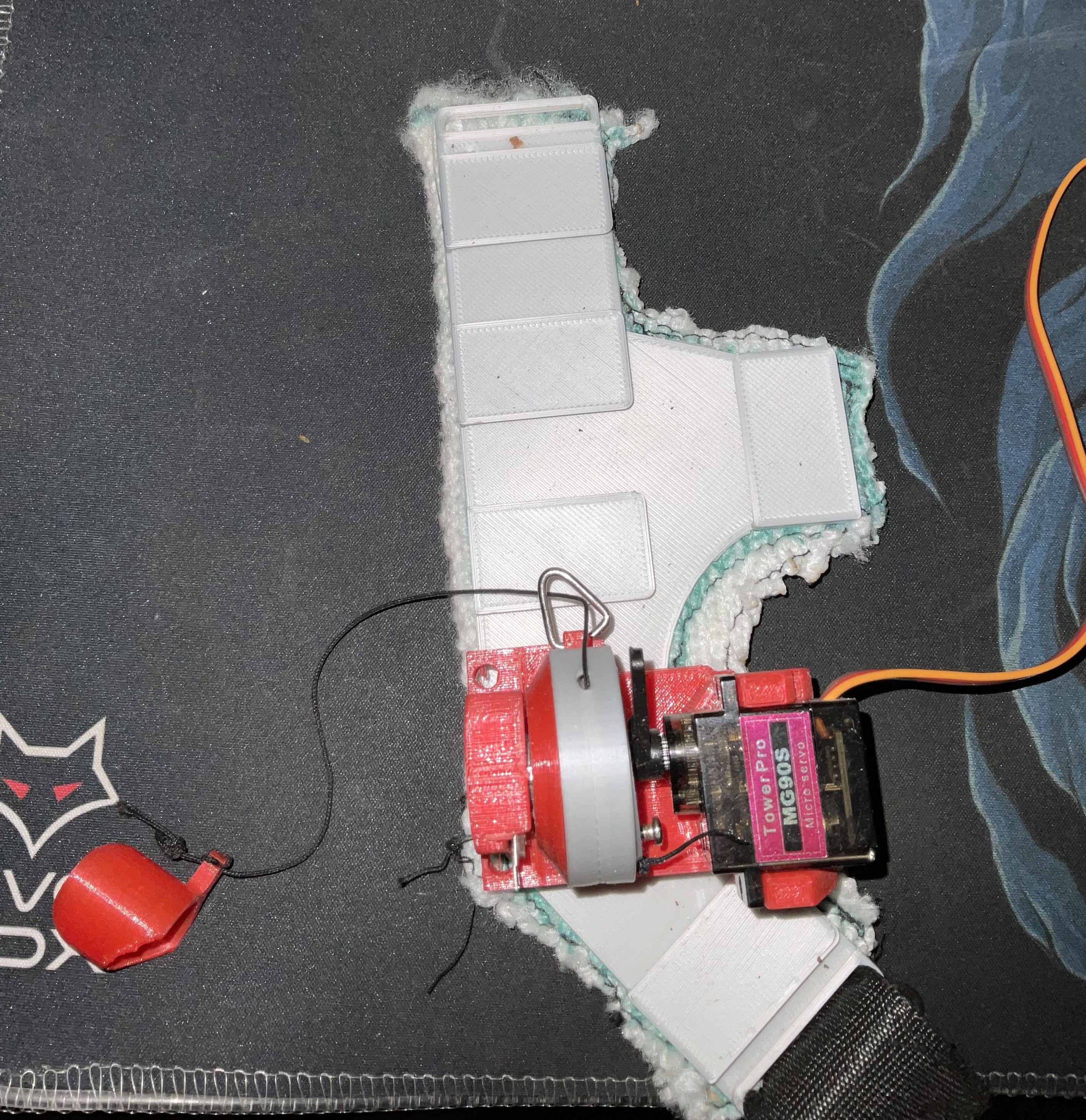
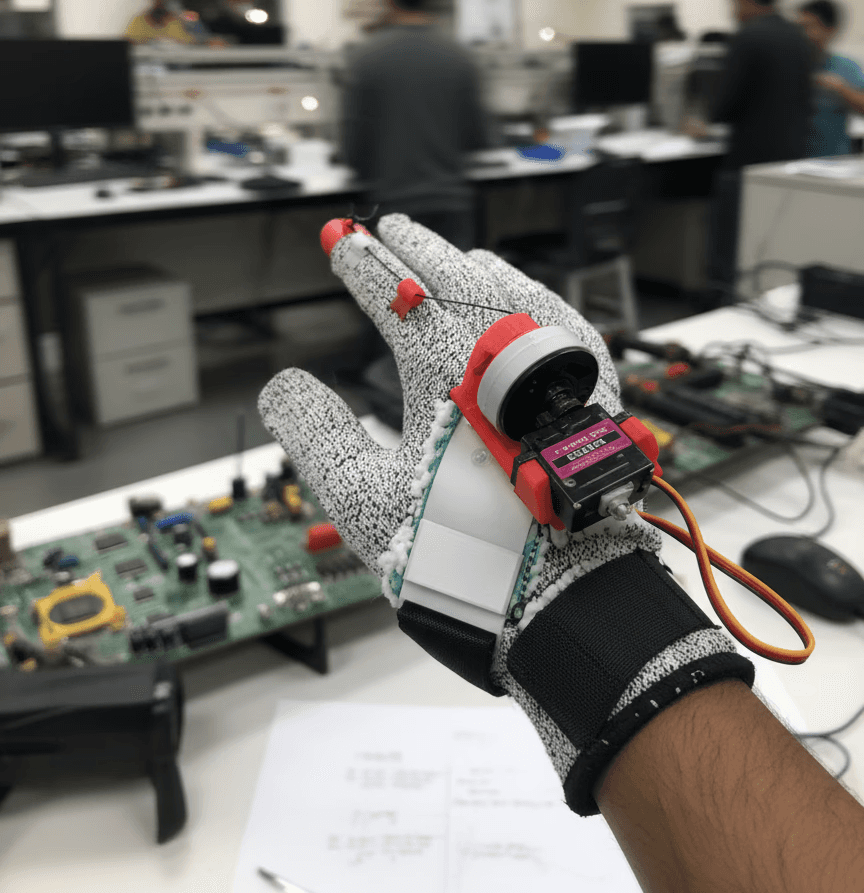
Actuation System:
Servo Motors
Sensing System:
Hall Effect Sensors - Track exact finger joint positions
Flex Sensors - Monitor finger bending and posture
IMU per finger - Detect fine motor movements
Mounting Structure:
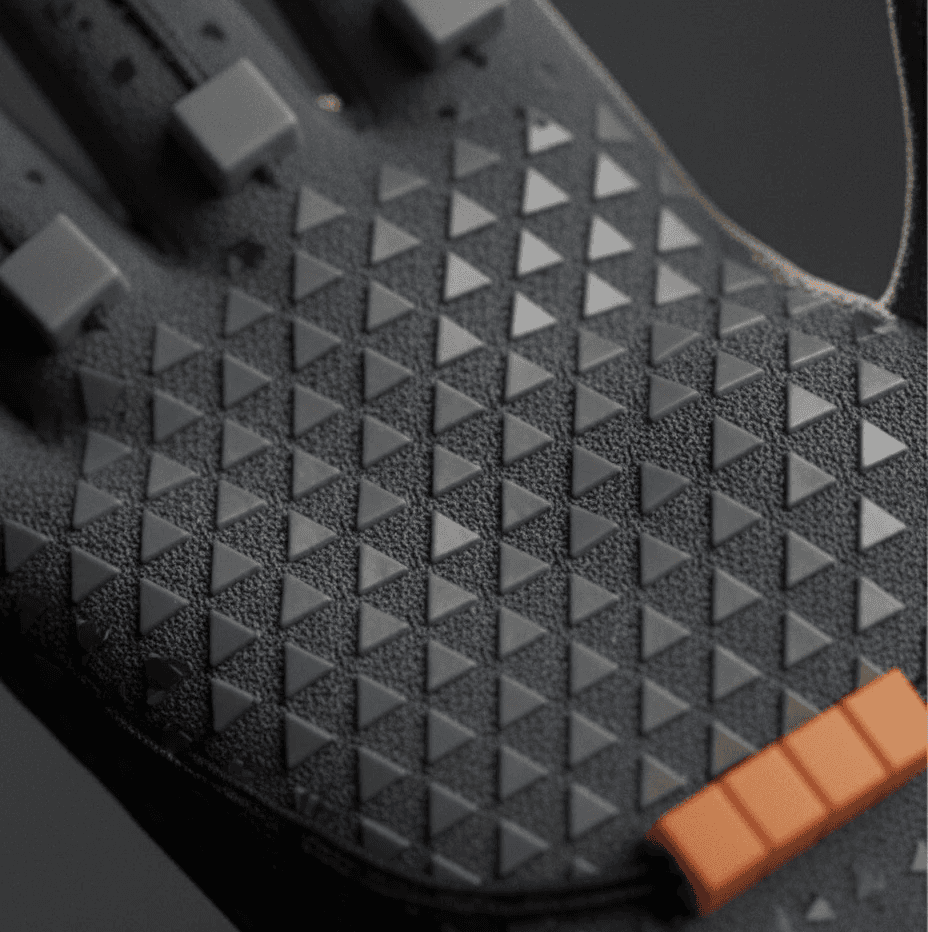
3D-printed exoskeleton (lightweight, durable)
Adjustable fit system for different hand sizes
Ventilated design (breathable fabric)
PROTOTYPE
  |   |   |
How It Actually Works:
Distance-to-Resistance & Shape-to-Form
Product 1 (the pendant) continuously scans the environment and transmits comprehensive data to Product 2. The glove's servo motors translate this data into haptic feedback:
1. Spatial Direction
2. Distance Indication
3. Object Geometry
Example 1 (Wall Corner): If the user is approaching a wall/table corner, the motors will force the hand to slightly cup or angle the fingers to represent the 90-degree angle of the corner.
Example 2 (Shapes/Form): If the user is near a thin, cylindrical object like a pole or bottle, the motors may force the fingers to curve slightly inward as if wrapping around the object.
This innovation transforms environmental data into direct, understandable tactile input, providing a level of spatial comprehension previously unavailable.
Product 3: Communication Gloves (The Communicator)
The Real Problem It Solves:
Deafblind individuals face severe communication barriers:
Cannot see written text or sign language
Cannot hear spoken words or audio alerts
Depend on interpreters using hand-over-hand tactile signing
Limited access to digital communication (messages, emails, alerts)
Constant isolation in information-rich environments
THE SOLUTION
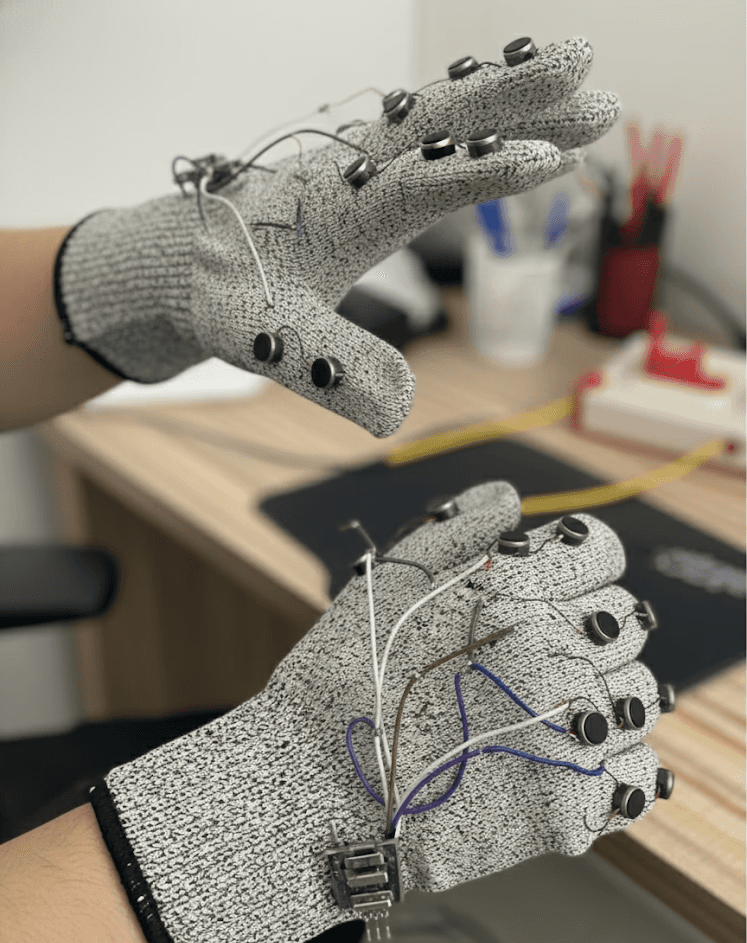
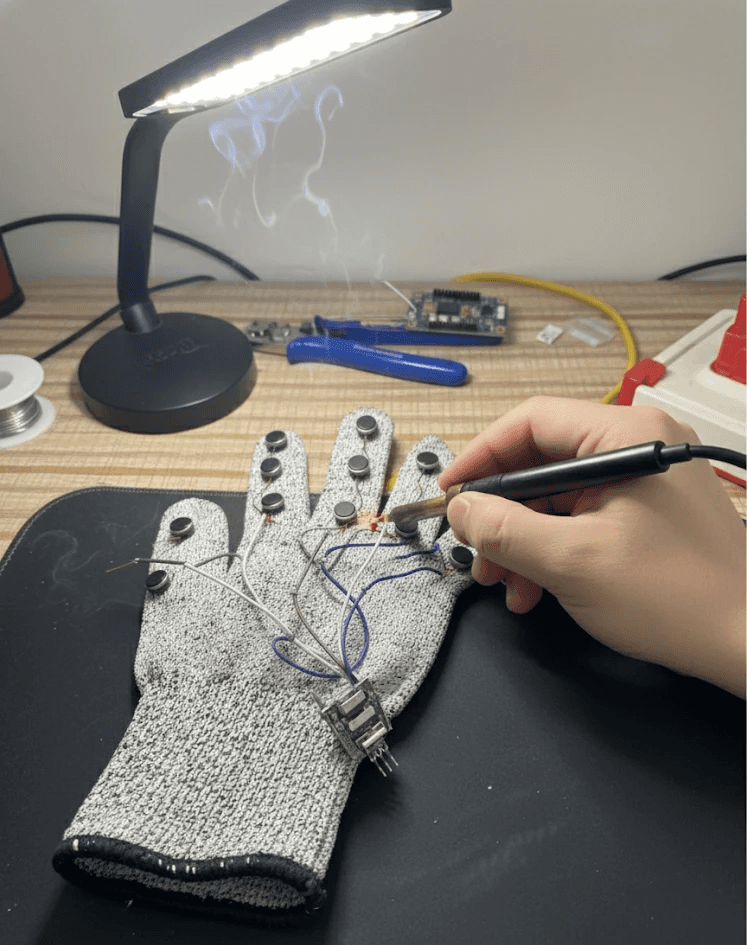
A wearable haptic communication device that translates text into tactile Braille patterns, enabling deafblind individuals to receive real-time information through vibration feedback on their hands.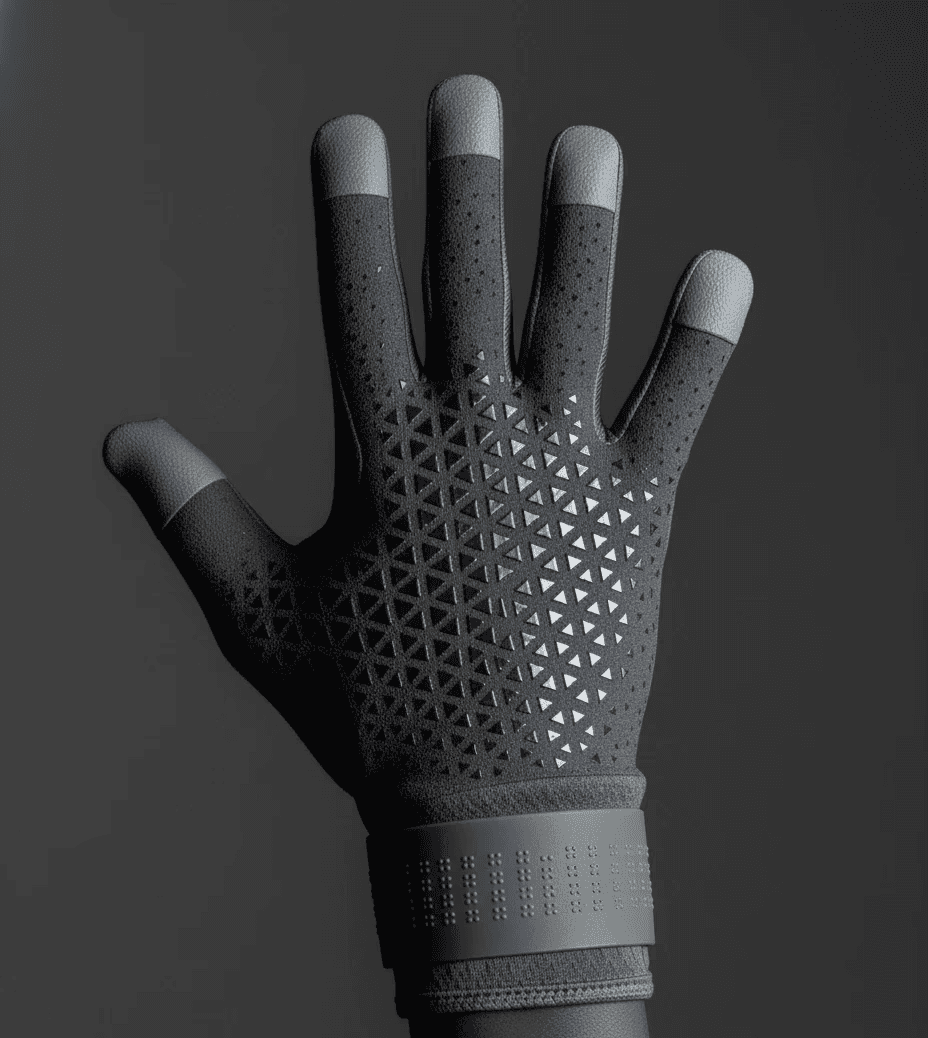
HOW IT WORKS
System Architecture
Vibration feedback fabric and extra braille input belt
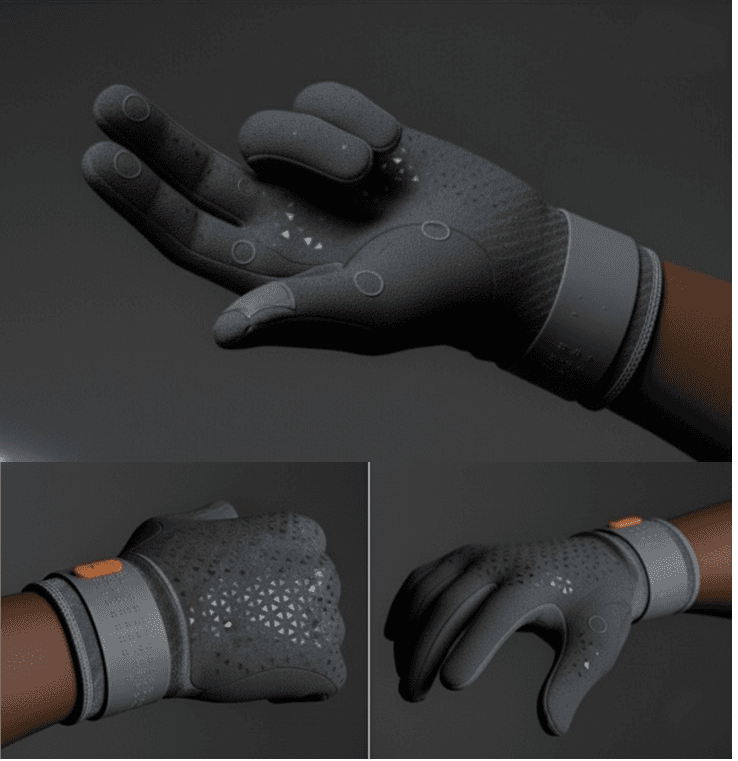
 NO TOUCH REQUIRED (Can communicate with more than 2 people at the same time) | 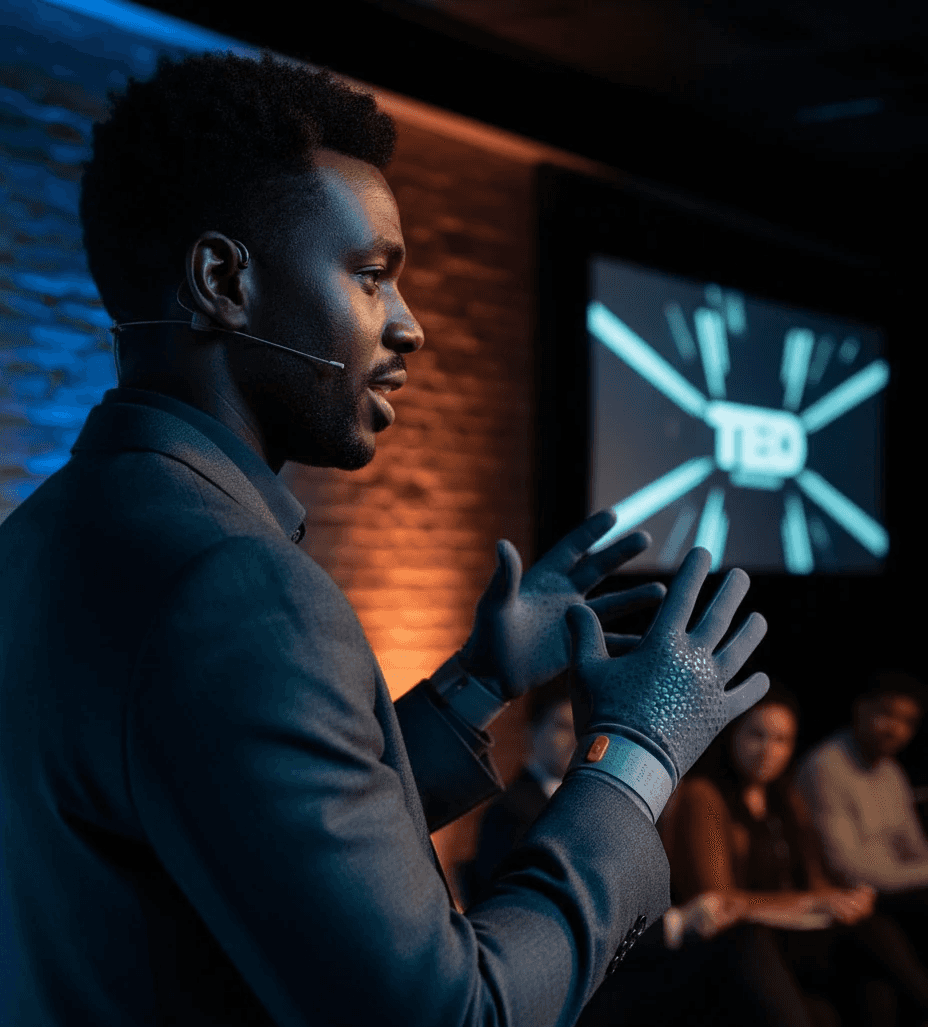 NO LANGUAGE BARRIER (Learns each deafblind user's unique communication style and translates text into personalized tactile Braille patterns.) |
|---|---|
NO SOCIAL ISOLATION NO LOCATION BARRIER |  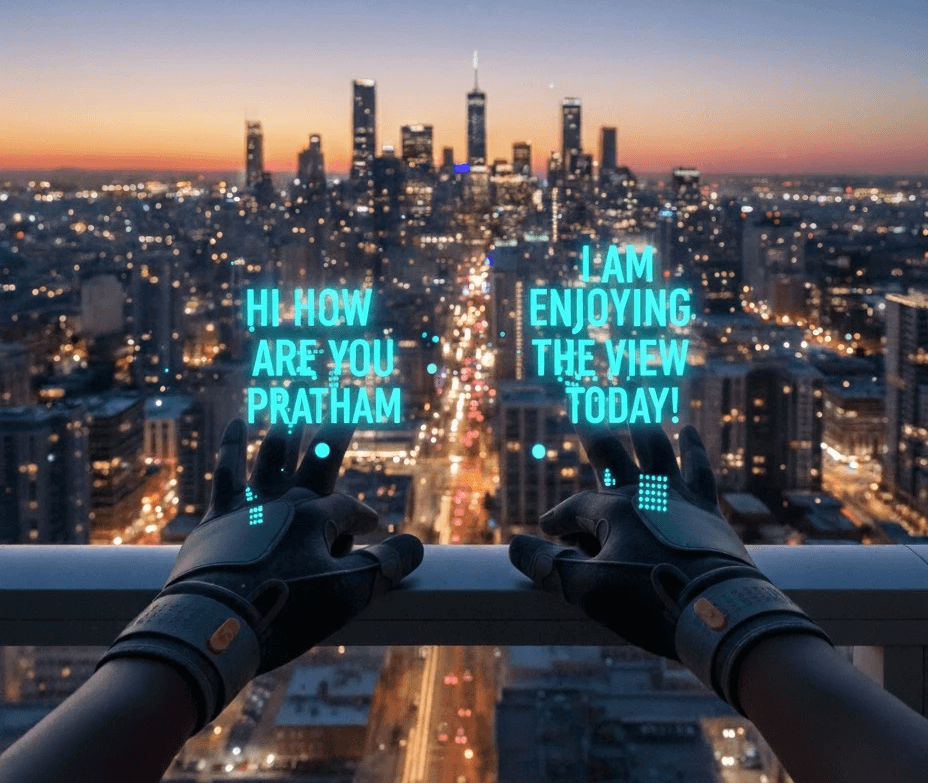 |
Prototype
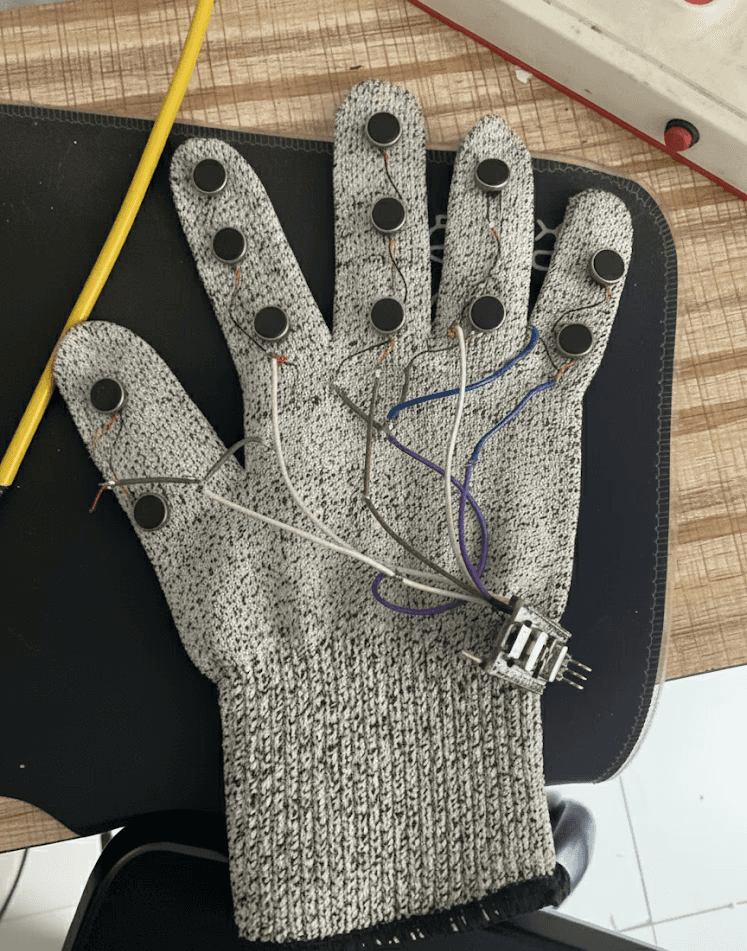
Hardware Components
Component | Specification |
|---|---|
Microcontroller | Arduino (Uno/Nano) |
Vibration Motors | 14× DC coin motors (10mm) |
Communication | Serial (USB/Bluetooth) |
Power Supply | 5V (battery/USB) |
Wiring | Digital pins |
 |  |
|---|


